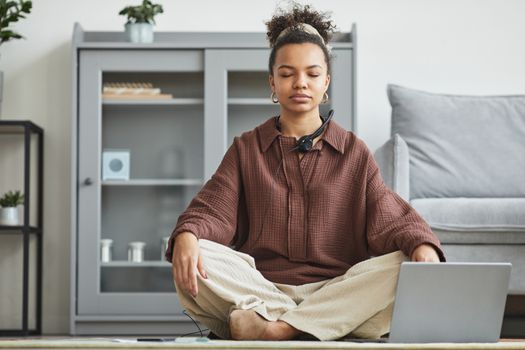
Building a positive relationship with yourself is the cornerstone of a fulfilling, resilient, and authentic life. In our fast-paced world, many people focus on external achievements or relationships, sometimes neglecting the most fundamental connection: the one they have with themselves. Yet, research consistently shows that self-esteem and self-reflection are directly linked to mental health, happiness, and personal growth. According to a 2023 survey by the American Psychological Association, 62% of adults identified low self-esteem as a significant barrier to achieving their goals. Learning to nurture self-appreciation and practice meaningful self-reflection can transform your wellbeing from the inside out.
This article explores practical, evidence-based techniques for improving self-esteem and self-reflection. Whether you’re looking to silence your inner critic, understand your emotions better, or simply create a more supportive inner dialogue, you’ll find actionable strategies and insights here. Let’s dive into cultivating the most important relationship you’ll ever have: the one with yourself.
The Foundations of a Positive Self-Relationship
Before diving into specific techniques, it’s important to understand what a positive relationship with yourself actually means. At its core, this relationship is built on three pillars: self-awareness, self-acceptance, and self-compassion.
.png)
Self-awareness involves understanding your thoughts, feelings, strengths, and weaknesses without judgment. Self-acceptance is the ability to embrace all aspects of yourself, including imperfections. Self-compassion means treating yourself with kindness, especially when you make mistakes or face setbacks. These pillars are supported by regular self-reflection and intentional efforts to boost self-esteem.
According to Dr. Kristin Neff, a pioneer in self-compassion research, people who practice self-compassion are 30% less likely to experience symptoms of depression or anxiety. Moreover, a 2022 study from Stanford University found that individuals who regularly engage in self-reflection report 25% higher life satisfaction scores than those who do not.
Powerful Techniques for Boosting Self-Esteem
Self-esteem is not a fixed trait—it can be developed and strengthened over time. Here are several proven techniques to elevate your sense of self-worth:
1. $1: Keep a daily record of achievements, compliments, and positive feedback. Each evening, jot down at least three things you did well or moments when you felt proud. Over time, this collection serves as tangible proof of your capabilities and value. 2. $1: When you catch yourself thinking self-critical thoughts, pause and ask: “Would I say this to a friend?” Replace harsh inner dialogue with more supportive language. For example, instead of “I always mess things up,” try “I’m learning, and everyone makes mistakes.” 3. $1: Low self-esteem often manifests as people-pleasing or difficulty asserting needs. Practice setting small boundaries, such as declining an unwanted invitation or asking for help. According to a 2021 survey by Mind UK, 47% of people felt an immediate boost in self-respect after asserting a personal boundary. 4. $1: Shift your focus from unattainable perfection to acknowledging incremental progress. Research from the University of California, Berkeley shows that celebrating small wins increases motivation and self-esteem by up to 32%.Self-Reflection: The Key to Inner Understanding
Self-reflection is the practice of examining your thoughts, feelings, actions, and motivations. It helps you understand why you react in certain ways, identify patterns, and make intentional choices aligned with your values.
Some effective self-reflection techniques include:
- $1: Set aside 5–10 minutes each day to ask yourself reflective questions, such as “What did I learn today?” or “How did I handle challenges?” Writing your answers can deepen the process. - $1: Use prompts like “What am I grateful for right now?” or “What limiting beliefs do I want to change?” to explore your inner world. - $1: Practices such as mindfulness or loving-kindness meditation encourage non-judgmental awareness of your thoughts and emotions. - $1: List your skills and talents, then reflect on how you’ve used them in the past week. This not only highlights your abilities but also fosters appreciation for yourself.A 2022 meta-analysis published in the journal $1 found that individuals who practice structured self-reflection are 40% more likely to report increased self-knowledge and improved emotional regulation.
Comparison Table: Self-Esteem vs. Self-Reflection Techniques
| Technique Type | Key Focus | Examples | Reported Benefits (%) |
|---|---|---|---|
| Self-Esteem Building | Valuing Self-Worth | Evidence journaling, celebrating wins, setting boundaries | Higher confidence (up to 32%), reduced anxiety (28%) |
| Self-Reflection | Understanding Self | Daily check-ins, guided journaling, meditation | Increased self-knowledge (40%), improved emotional regulation (33%) |
This table demonstrates that while both sets of techniques are valuable, they serve different core purposes and can be combined for maximum effect.
Overcoming Obstacles: Navigating Self-Doubt and Inner Criticism
Everyone faces self-doubt and inner criticism at times. The difference between a positive and negative self-relationship often lies in how you respond to these moments.
1. $1: Give your inner critic a name or persona. This simple act externalizes negative self-talk, making it easier to challenge. For example, if you call your inner critic “The Nag,” you can respond, “Thank you, Nag, but I choose a different perspective.” 2. $1: When facing self-doubt, acknowledge your feelings without judgment. Say, “It’s okay to feel nervous. This doesn’t define my worth.” Self-validation reduces the power of negative emotions and fosters resilience. 3. $1: Instead of avoiding criticism, ask trusted friends or mentors for specific, constructive feedback. This helps you view growth areas as opportunities rather than proof of inadequacy. 4. $1: According to a 2020 Harvard Business Review study, employees who reframed mistakes as learning experiences experienced a 23% increase in job satisfaction and a significant reduction in stress levels.Developing Lasting Self-Compassion Habits
Building a positive relationship with yourself is an ongoing journey, not a one-time achievement. Establishing habits that support self-compassion ensures long-term growth and inner support.
- $1: Repeating affirmations such as “I am enough” or “I choose to treat myself with kindness” can reshape neural pathways over time. Neuroscientists have shown that self-affirmation practices increase positive self-perception by 20% after just eight weeks. - $1: Prioritize activities that nourish your body and mind, such as regular sleep, balanced nutrition, movement, and creative outlets. Self-care is a concrete way to communicate self-worth. - $1: Regularly list things you appreciate about yourself—qualities, actions, or intentions. This practice fosters a mindset of abundance rather than scarcity. - $1: When you make a mistake, respond with the same empathy you would offer a friend. For example, “Everyone has tough days. I’ll do my best next time.”According to a 2021 survey by Self-Compassion.org, 70% of people practicing daily self-compassion reported feeling more resilient in the face of life’s challenges.
Final Thoughts on Building a Positive Relationship with Yourself
Developing a nurturing, supportive relationship with yourself is one of the most transformative investments you can make. It’s not about achieving flawlessness or constant happiness, but about embracing your humanity with curiosity and kindness. By integrating the techniques of self-esteem building and self-reflection outlined above, you can create a solid foundation for personal growth, resilience, and contentment.
The journey is ongoing. Some days will feel easier than others, but with each step, you reinforce the message that you are worthy of your own care and respect. As you strengthen your self-relationship, you’ll find that your connections with others—and your ability to face life’s challenges—grow stronger, too.