Staying Motivated and Thinking Positively in Difficult Times: Unique Strategies and Inspiration for Women
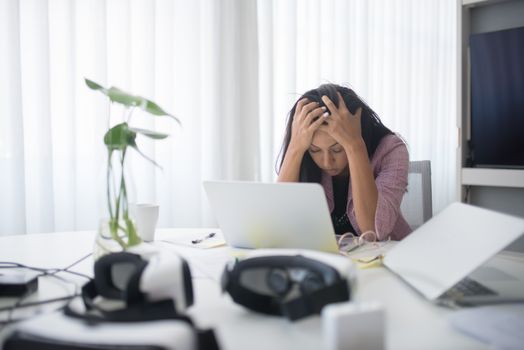
Life’s challenges can feel overwhelming, especially when setbacks seem relentless. For women balancing diverse roles at home, work, and within their communities, maintaining motivation and a positive outlook during tough times becomes both a necessity and a formidable challenge. While there’s no “one size fits all” solution, a blend of practical strategies, creative mindset shifts, and evidence-based approaches can empower women to rise above adversity and keep their spirits high. This article explores fresh, lesser-discussed methods to help women sustain motivation and nurture positivity—even when the going gets tough.
The Science Behind Motivation and Positive Thinking: What Really Works for Women?
Understanding the psychological underpinnings of motivation and positivity is essential for making sustainable changes. Research shows that women, on average, experience higher rates of anxiety and depression compared to men, particularly during stressful life events. According to the World Health Organization, nearly 1 in 5 women worldwide will experience a common mental health disorder each year, underscoring the need for effective resilience strategies.
.png)
Motivation is driven by a combination of intrinsic (internal) and extrinsic (external) factors. While external rewards—such as praise or tangible incentives—can provide a boost, internal motivators like purpose, autonomy, and personal growth are more sustainable over time. Positive thinking, meanwhile, isn’t about ignoring problems but reframing them in a way that fosters hope and proactive behavior.
A 2020 study published in the Journal of Positive Psychology found that women who regularly practiced cognitive reframing and self-compassion reported 60% greater resilience during crises than those who did not. This suggests that the way we interpret setbacks and treat ourselves during hardship directly impacts our ability to bounce back.
Creative Expression as a Motivation Booster: More Than Just a Hobby
Creative activities—such as journaling, painting, music, or dance—do far more than simply fill time. Engaging in creative expression has been shown to lower stress hormones, increase feelings of self-efficacy, and foster optimism. A recent survey by the American Psychological Association found that 75% of women who participated in weekly creative activities reported improved mood and motivation.
For women facing adversity, creative outlets serve as a form of emotional release and self-discovery. They provide a safe space to process complex emotions and envision new possibilities. Try setting aside just 20 minutes a week for a creative activity that excites you, whether it’s crafting, digital art, singing, or even creative cooking. The key is to focus on the process, not the outcome—letting go of perfection and embracing the joy of creation.
Goal-Setting Techniques That Actually Work: The Power of Micro-Goals
Traditional goal-setting advice often emphasizes setting big, ambitious targets. While having a vision is important, research shows that breaking goals into “micro-goals” can significantly increase motivation, especially during stressful periods.
A study conducted by Harvard Business School revealed that participants who broke projects into micro-goals were 39% more likely to complete them and reported higher satisfaction with their progress. For women juggling multiple responsibilities, micro-goals offer a practical way to build momentum and celebrate small wins—crucial for maintaining motivation when energy is low.
Here’s how to get started: - Choose a larger goal (e.g., “Improve work-life balance”). - Break it down into micro-steps (e.g., “Take a 5-minute walk at lunch” or “Shut off work email after 7 PM”). - Track your progress and reward yourself for each micro-achievement.This approach not only makes tasks more manageable but also reinforces a positive feedback loop, boosting confidence and motivation.
The Role of Social Support: Finding Inspiration in Community
While personal resilience is vital, no one should weather tough times alone. Research consistently highlights the positive effects of supportive relationships on both motivation and outlook. According to a 2023 Gallup survey, women with strong social connections are 2.5 times more likely to report high life satisfaction compared to those who feel isolated.
Social support doesn’t have to mean a huge friend group or daily meetups. It can be as simple as a regular check-in with a trusted friend, joining a virtual book club, or participating in an online support group tailored to women’s experiences. Sharing struggles, exchanging encouragement, and celebrating each other’s progress creates a sense of belonging and shared strength.
For women feeling isolated, technology can be a powerful ally. Apps like Meetup, Hey! VINA, and Peanut are designed to connect women based on interests, life stages, and goals, making it easier than ever to find community—even from home.
Mind-Body Practices: Building a Foundation for Resilience
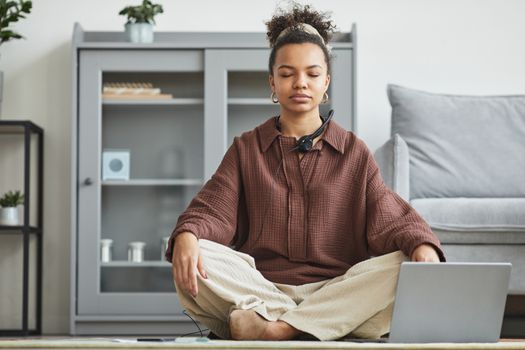
The mind and body are deeply intertwined, especially when it comes to motivation and positivity. Mind-body practices—such as yoga, breathwork, and mindfulness meditation—have been shown to reduce symptoms of anxiety, increase emotional regulation, and heighten motivation.
A meta-analysis published in the journal Mindfulness found that women who practiced mindfulness-based exercises at least twice a week experienced a 32% reduction in perceived stress and a 25% increase in reported motivation after just eight weeks.
Practical ways to integrate mind-body practices: - Start your morning with a 5-minute guided meditation (apps like Insight Timer or Calm can help). - Try gentle yoga stretches before bed to release tension. - Use breathing techniques (like box breathing) during stressful moments to reset your mindset.The cumulative effects of these practices strengthen mental flexibility, making it easier to adapt to change and find motivation even when life feels unpredictable.
Comparing Strategies: What Works Best for Women?
Different motivation and positivity strategies suit different personalities and circumstances. Below is a comparative table summarizing the effectiveness, time investment, and accessibility of the key strategies discussed:
| Strategy | Effectiveness (user-reported) | Time Investment | Accessibility |
|---|---|---|---|
| Creative Expression | 75% report improved mood | 20-60 min/week | High (can be done at home, low cost) |
| Micro-Goal Setting | 39% more likely to achieve goals | 5-15 min/day | Very high (requires only a notepad or app) |
| Social Support | 2.5x higher life satisfaction | Varies (10 min to 1 hr/week) | Moderate (depends on network, but online options available) |
| Mind-Body Practices | 32% less stress, 25% more motivation | 10-30 min/session | High (many free resources online) |
This table illustrates that while all strategies offer significant benefits, micro-goal setting and mind-body practices require minimal resources and are highly accessible, making them excellent starting points for women seeking immediate results.
Stories of Resilience: Real-Life Inspiration from Women Overcoming Adversity
Nothing inspires motivation like hearing from women who have faced adversity and emerged stronger. Consider the story of Dr. Hadiyah-Nicole Green, one of the first African American women to earn a PhD in physics. Or Malala Yousafzai, who transformed personal trauma into global advocacy for girls’ education. Their journeys remind us that setbacks can be stepping stones to greater purpose.
But inspiration doesn’t have to come from celebrities. Local community leaders, single mothers balancing work and family, and women returning to education later in life all embody the spirit of resilience. According to a 2022 Pew Research Center poll, 68% of women said that hearing stories from peers who have overcome similar struggles helped them stay motivated during tough times.
To find inspiration: - Listen to podcasts featuring women’s stories (e.g., “The Broad Experience” or “Women of Impact”). - Attend community events focused on women’s empowerment. - Share your own story—you never know who you might inspire.Final Thoughts: Embracing Your Own Journey with Motivation and Positivity
Tough times are an inevitable part of life, but maintaining motivation and a positive outlook is possible with the right strategies, mindset, and support. For women, it’s about embracing creativity, breaking goals into achievable steps, nurturing meaningful connections, and taking care of body and mind. By weaving these practices into daily life, you not only weather life’s storms but emerge from them with greater clarity, strength, and hope.
Remember, it’s not about being relentlessly positive or motivated every single day. It’s about cultivating habits and perspectives that help you bounce back, adapt, and keep moving forward—even when the path gets rocky. As the stories and statistics show, you are far from alone—and your journey can be a source of inspiration for others, too.