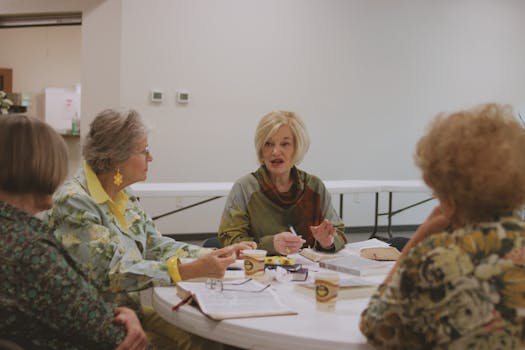
Getting involved in local women’s groups can be one of the most rewarding decisions you make, whether you’re seeking meaningful friendships, professional opportunities, or a way to give back to your community. These groups range from book clubs and advocacy organizations to business networks and hobby-based meetups. Yet, for many women, the idea of joining a new group can feel daunting. What should you expect? How do you find the right group? And what benefits can participation really bring? This guide will walk you through every step, offering practical advice, insider insights, and real-world examples to help you confidently engage with your local women’s groups.
Understanding the Landscape of Local Women's Groups
Local women’s groups are as diverse as the women who join them. According to a 2023 survey by Women’s Community Connect, over 72% of U.S. cities with populations above 50,000 have at least five active women’s organizations. These groups might focus on:
- Professional development (e.g., Women in Business networks) - Social or cultural activities (e.g., book clubs, arts collectives) - Advocacy and activism (e.g., organizations supporting women’s rights, local shelters) - Health and wellness (e.g., running clubs, yoga circles) - Volunteerism and community serviceMost groups operate either informally (via social media or word-of-mouth) or as part of larger national organizations with local chapters, such as the Junior League or American Association of University Women (AAUW). The range of activities, entry requirements, and expected time commitments can vary widely.
.png)
How to Find the Right Local Women's Group for You
Finding the right group is all about aligning your interests, values, and availability. Here are some practical steps to help you get started:
1. $1 Are you looking for professional networking, personal growth, friendship, or a way to support a cause? Clarifying your objectives will narrow your search. 2. $1 Use platforms like Meetup, Eventbrite, and Facebook Groups. As of 2024, over 120,000 women’s groups are listed on Meetup alone, covering everything from tech meetups to hiking clubs. 3. $1 Libraries, community centers, and places of worship often host or advertise women’s groups. 4. $1 Word-of-mouth recommendations remain powerful. Talk to colleagues, friends, or neighbors. 5. $1 Many groups allow prospective members to attend as guests before committing.Below is a comparative overview of popular types of local women’s groups, their typical activities, and member expectations.
| Group Type | Main Activities | Typical Time Commitment | Membership Fees |
|---|---|---|---|
| Professional Networks | Workshops, guest speakers, networking events | Monthly meetings, optional events | $50-$200/year |
| Book Clubs | Book discussions, social gatherings | Monthly meetings | Usually free or minimal cost |
| Advocacy Groups | Campaigns, volunteering, educational events | Varies; some weekly, some project-based | Free to $100/year |
| Health & Wellness Groups | Fitness classes, wellness workshops | Weekly or biweekly | $0-$50/month |
| Social & Hobby Clubs | Crafting, cooking, hiking, social outings | Monthly or biweekly | Generally free or minimal cost |
Getting Involved: The First Steps
Once you’ve identified a group that piques your interest, the next step is to reach out and get involved. Here’s what to expect and how to make a great first impression:
- $1 Most groups have a public email address, web form, or social media page. Introduce yourself, mention your interests, and ask about upcoming events. Don’t be shy—group leaders are usually happy to welcome newcomers. - $1 Many organizations host newcomer sessions or open meetings. These events are designed to introduce new faces to the group’s culture and activities. According to a 2021 study by Community Engagement Now, over 80% of women who attended an initial “open house” event joined the group within three months. - $1 Take note of the group dynamic. Is it formal or relaxed? Do members seem welcoming? Participate in discussions, but don’t feel pressured to jump in immediately. - $1 Never hesitate to ask about group expectations, upcoming projects, or how decisions are made. Understanding these elements early can help you feel more comfortable.What to Expect After You Join
Joining a local women’s group isn’t just about showing up—it’s about participating and contributing. Here’s what you can typically expect once you become a member:
- $1 Depending on the group, meetings may be weekly, monthly, or event-based. Some groups offer hybrid (in-person and virtual) options, especially since the pandemic. For example, the National Organization for Women (NOW) reported a 60% increase in virtual attendance at their local chapters since 2020. - $1 Members are often encouraged to join committees, volunteer for events, or even take on leadership roles. This can be a great way to build skills and deepen your involvement. - $1 Many women’s groups emphasize mutual support, whether it’s through mentorship programs, resource sharing, or simply providing a space to talk. In a 2022 survey by the American Women’s Society, 78% of respondents said their group provided emotional support during challenging times. - $1 Expect to learn new things, whether it’s through guest speakers, workshops, or informal knowledge sharing. - $1 Some groups have annual dues or fundraising obligations. Be sure to clarify any financial commitments before joining.The Impact: Benefits of Joining Local Women's Groups
The benefits of joining a local women’s group can be both immediate and long-term. Here are some of the most notable advantages, supported by research and real-world examples:
- $1 A 2023 Pew Research Center study found that women who participated in local groups were 2.5 times more likely to report a strong support network in their community. - $1 Professional groups often offer access to job postings, mentoring, and skill-building workshops. According to the Association of Women’s Business Centers, 42% of members reported receiving a job lead or promotion opportunity through their group. - $1 Exposure to diverse perspectives and experiences can foster personal growth and confidence. - $1 Many groups engage in charitable activities, from organizing food drives to advocating for policy changes. For instance, in 2022, local chapters of Dress for Success helped over 70,000 women with job readiness. - $1 Social connection is directly linked to better mental and physical health. The Harvard Women’s Health Watch reported in 2021 that women engaged in social groups experienced a 25% lower risk of depression.Potential Challenges and How to Overcome Them
While the benefits are substantial, joining a new group can come with some challenges. Here are common obstacles and strategies to navigate them:
- $1 It’s normal to feel a bit out of place at first. Give yourself time to adjust and attend several meetings before making a decision. - $1 Balancing group events with work and family can be tough. Look for groups with flexible attendance policies or virtual options. - $1 Some groups charge dues or event fees. If cost is an issue, ask about scholarships or sliding scales—many organizations are happy to accommodate. - $1 Not every group will be a perfect fit. Don’t be discouraged if the first group isn’t right for you; there are many options available.Making the Most of Your Membership in Local Women's Groups
Active participation is key to getting the most from your experience. Here are tips to maximize the value you receive:
- $1 Taking on small responsibilities, such as helping with events or communications, can help you connect and contribute. - $1 Focus on building genuine relationships rather than just collecting contacts. - $1 Whether you’re a great organizer, public speaker, or creative mind, your skills can enrich the group. - $1 Consistency helps you form deeper connections and stay updated. - $1 Most groups welcome suggestions for improvement or new activities. Your input can help shape the group’s future.Finding Your Place: The Lasting Value of Local Women's Groups
Getting involved in local women’s groups is about more than attending meetings—it’s about building a sense of belonging, developing new skills, and making a positive impact. By taking the time to find the right group and becoming an active member, you open yourself up to new friendships, opportunities, and a stronger connection to your community. The journey may feel intimidating at first, but the rewards are well worth the effort.