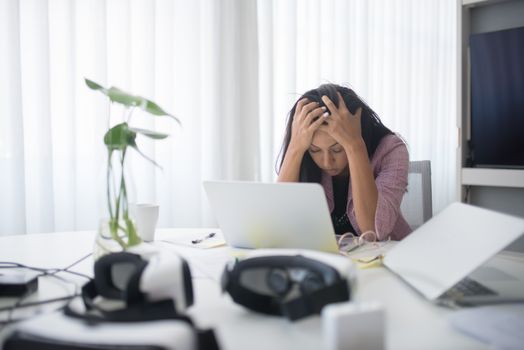
Managing stress and anxiety is a critical part of maintaining a healthy lifestyle, particularly for women who often balance multiple roles at home, work, and within their communities. With the pressures of modern life, women are statistically more likely to experience stress and anxiety-related disorders than men. According to the American Psychological Association, women are nearly twice as likely as men to be diagnosed with anxiety disorders. Understanding how to effectively manage these challenges through healthy lifestyle habits is crucial for long-term well-being. This article explores evidence-based strategies uniquely suited for women, focusing on holistic approaches that address mind, body, and daily life routines.
The Unique Impact of Stress and Anxiety on Women
Stress and anxiety manifest differently in women compared to men, influenced by hormonal fluctuations, social expectations, and life stages such as pregnancy, menopause, or caring for family members. A 2022 survey by the Anxiety and Depression Association of America found that 23% of women reported experiencing severe anxiety symptoms, compared to 14% of men. Chronic stress can lead to physical symptoms, including headaches, digestive issues, and sleep disturbances, as well as long-term risks such as heart disease and weakened immune function.
Women are also more prone to “stress multitasking”—worrying about several things at once—which can amplify anxiety levels. Recognizing these unique factors is the first step toward creating effective coping mechanisms tailored specifically to women’s needs.
.png)
Building Resilience: Mind-Body Approaches for Stress Relief
Mind-body techniques are powerful tools for managing anxiety and building resilience. These practices help align emotional well-being with physical health, creating a holistic defense against daily stressors.
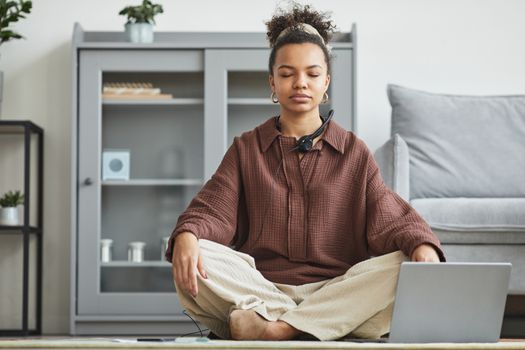
Yoga and Mindfulness Meditation
A 2023 study published in the Journal of Women’s Health showed that women who practiced yoga just twice per week for three months reported a 31% decrease in anxiety levels. Yoga combines gentle movement, breathwork, and mindfulness, making it especially beneficial for women of all ages and fitness levels. Mindfulness meditation, even when practiced for as little as 10 minutes per day, has been shown to lower cortisol (the stress hormone) and foster a sense of calm.
Progressive Muscle Relaxation
This technique involves tensing and then relaxing each muscle group in the body, which can effectively reduce physical tension and anxiety. According to the Cleveland Clinic, practicing progressive muscle relaxation for 15 minutes daily can decrease perceived stress by up to 25% within a month.
Nutritional Strategies for Emotional Balance
What women eat has a significant effect on mood, energy levels, and stress resilience. Certain nutrients can help regulate neurotransmitters that influence anxiety and stress responses.
Key Nutrients for Stress Reduction
- Magnesium: Found in leafy greens, nuts, seeds, and whole grains, magnesium supports the nervous system and can reduce symptoms of anxiety. - Omega-3 Fatty Acids: Present in fatty fish, flaxseeds, and walnuts, omega-3s have been linked to a 20% lower risk of anxiety disorders in women. - Vitamin B Complex: These vitamins, found in eggs, dairy, and legumes, are essential for neurotransmitter function and stress regulation.Avoiding stimulants like caffeine and sugar can also prevent spikes and crashes in mood. Maintaining steady blood sugar levels by eating balanced meals every 3-4 hours can minimize irritability and fatigue, common triggers for anxiety.
Comparison Table: Nutritional Habits and Their Impact on Stress
| Habit | Positive Impact | Potential Drawback |
|---|---|---|
| Consuming leafy greens | Increases magnesium, calms nervous system | None significant |
| High caffeine intake | Temporary alertness | Can increase anxiety symptoms |
| Eating fatty fish (2x/week) | Boosts omega-3s, lowers anxiety risk | May not suit vegetarians/vegans |
| Frequent sugary snacks | Short-term mood boost | Leads to mood crashes, increases stress |
Physical Activity: More Than Just Exercise
Regular physical activity is one of the most effective ways to reduce stress and anxiety. The World Health Organization recommends at least 150 minutes of moderate-intensity exercise per week for adults, and studies show that women who meet this guideline experience 25% fewer anxiety symptoms than those who do not.
However, exercise for stress management is not solely about intense workouts. Activities that encourage joy, self-expression, and social connection can be particularly beneficial for women.
- Dancing: Increases endorphins and provides a creative outlet. - Walking in Nature: Exposure to green spaces can lower stress hormones by up to 16%, according to a 2021 study. - Group Fitness Classes: Combining social interaction with exercise can enhance motivation and emotional support.Importantly, women should choose activities that they genuinely enjoy, as this increases the likelihood of forming lasting habits.
Setting Healthy Boundaries and Prioritizing Rest
A crucial but often overlooked aspect of stress management is the ability to set boundaries and honor one’s need for rest. Women are frequently socialized to prioritize others’ needs, which can lead to burnout and heightened anxiety.
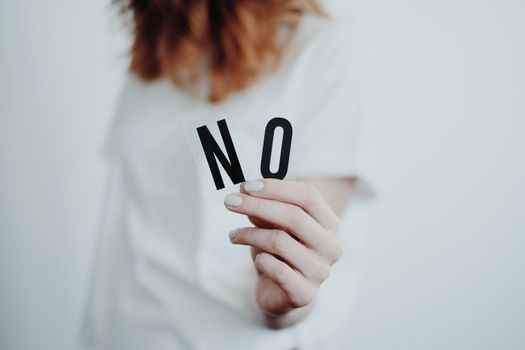
Learning to Say No
Establishing healthy boundaries involves recognizing personal limits and communicating them clearly. Research from the University of California, Berkeley, found that women who regularly practice assertiveness report 28% less stress than those who do not.
The Importance of Sleep
Sleep quality directly impacts stress levels. The National Sleep Foundation recommends 7-9 hours of sleep per night for adults, yet 35% of women report getting less than this. Poor sleep can exacerbate anxiety, while consistent rest improves mood, cognitive function, and resilience.
Tips for Better Sleep Hygiene
- Maintain a consistent sleep schedule. - Create a calming bedtime routine (e.g., reading, warm bath). - Limit screen time before bed.Connecting with Support Systems
Social support is a vital buffer against stress and anxiety. While many women naturally seek connection, the quality of these relationships matters.
Building a Reliable Support Network
A 2020 Gallup poll found that women with strong social ties are 40% less likely to report high stress levels. Support can come from friends, family, colleagues, or community groups. Participating in support groups, either online or in person, provides a safe space to share experiences and coping strategies.
Seeking Professional Help
When stress and anxiety become overwhelming, seeking help from a mental health professional is a sign of strength. Therapy, counseling, or coaching can offer tailored strategies and emotional validation. In the U.S., over 21 million women sought mental health services in 2023, underscoring the growing awareness of mental well-being as an essential part of a healthy lifestyle.
Final Thoughts on Healthy Lifestyle Habits for Stress and Anxiety in Women
Effectively managing stress and anxiety is a multi-faceted journey, especially for women who face unique societal and biological challenges. By combining mind-body practices, mindful nutrition, regular physical activity, healthy boundaries, and strong social support, women can build resilience and foster long-term well-being. It’s important to remember that progress may be gradual, and what works for one person may differ for another. Small, consistent changes can yield significant improvements in both mental and physical health, empowering women to thrive in every aspect of life.