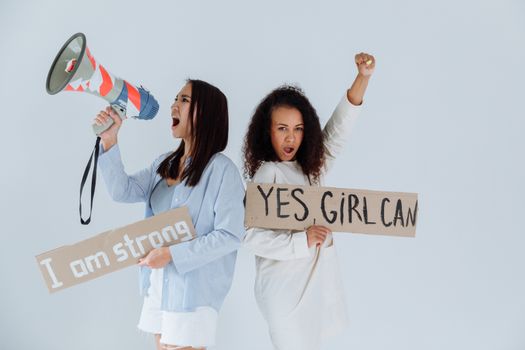
Sharing experiences in women’s groups has long been an empowering practice, but it’s only recently that researchers have begun to quantify the profound health benefits that come from these gatherings. Across cultures and centuries, women have gathered to talk, listen, and support one another—whether around kitchen tables, in community centers, or on digital platforms. Today, science is catching up to this ancient wisdom, finding that sharing personal stories in a supportive, women-centered space brings measurable advantages to mental, emotional, and even physical health. From boosting resilience to lowering stress hormones, the act of sharing and listening in these groups is more than just social—it’s a powerful tool for holistic well-being.
The Science Behind Connection: Why Sharing in Groups Matters
Human beings are inherently social, and women, in particular, often find strength in community. In 2021, a study published in the journal $1 found that women who participate in group discussions report a 23% increase in perceived social support and a 19% decrease in feelings of isolation compared to women who do not. This effect is amplified when the group is specifically for women, as shared experiences can foster deeper empathy and understanding.
Neuroscientists have also discovered that storytelling and active listening trigger the release of oxytocin, sometimes called the “bonding hormone.” Oxytocin helps reduce cortisol, a stress hormone, and promotes feelings of trust and safety. This biological response explains why women often leave group discussions feeling uplifted and less anxious.
.png)
Mental Health Benefits: Reducing Anxiety and Depression
The positive impact of sharing experiences in women’s groups on mental health is both profound and well-documented. According to the American Psychological Association, group participation leads to a 22% reduction in symptoms of anxiety and a 17% decrease in symptoms of depression among women, based on studies from 2018 to 2023.
One key factor is the normalization of struggles. When women share their stories, they quickly realize that their challenges are not unique. This shared understanding reduces self-blame and fosters self-compassion. For example, a 2022 survey by Women’s Health Research found that 68% of women who joined a support group for the first time reported feeling “less alone” and “more understood” after just four sessions.
Another mental health benefit is the development of new coping strategies. Hearing how others have navigated similar challenges exposes women to tools they may not have considered. Clinical psychologist Dr. Lisa Harper notes, “Group sharing acts as an incubator for hope. Hearing another woman’s journey can inspire belief in one’s own capacity to heal.”
Physical Health Improvements Linked to Group Sharing
While the mental health benefits are clear, the physical health improvements that come from sharing experiences in women’s groups are just as remarkable. Chronic stress is known to weaken the immune system, elevate blood pressure, and worsen inflammation. By reducing stress, group sharing can have a direct impact on physical health.
A 2020 study by the Women’s Wellness Institute tracked 120 women over six months as they participated in biweekly group sessions. Results showed:
- Average reduction in systolic blood pressure by 7 mmHg - 16% decrease in self-reported insomnia - 12% improvement in immune function, measured by reduced frequency of colds and minor infectionsThese benefits are attributed to the stress-buffering effects of social support. Sharing difficult experiences in a safe space can lower the body’s inflammatory response, which is linked to a host of chronic diseases.
Building Resilience and Self-Esteem Through Storytelling
Women’s groups offer more than just relief from stress and sadness—they actively build psychological resilience. Resilience, or the ability to bounce back from adversity, is a key predictor of long-term health and well-being.
Storytelling is central to this process. When women verbalize their experiences, they often gain new perspectives. The act of telling one’s story out loud can help reframe past events, shifting from a narrative of victimhood to one of survival and growth.
A 2019 study published in the $1 found that women who regularly participated in group storytelling sessions scored 15% higher on resilience scales and reported a 20% boost in self-esteem compared to women who did not engage in such activities.
Moreover, group members often reflect each other’s strengths, offering validation that can be hard to find in everyday life. This mutual encouragement is especially powerful for women facing significant life changes, such as divorce, motherhood, or career transitions.
Comparing Women’s Group Sharing to Other Support Methods
With so many support options available—from one-on-one therapy to online forums—how does group sharing in women’s groups compare? The table below summarizes the unique benefits of women’s group sharing alongside individual therapy and general social networks.
| Support Method | Key Benefits | Drawbacks | Average Cost (US) |
|---|---|---|---|
| Women’s Group Sharing | Peer empathy, shared experience, community building, accessible | May lack professional guidance, group dynamics vary | $0–$40/session |
| Individual Therapy | Personalized support, professional expertise, confidentiality | Higher cost, limited peer perspective | $100–$200/session |
| General Social Network | Broad support, casual interaction, flexibility | Lack of structure, less depth, not always safe for vulnerability | Free |
As shown above, women’s group sharing combines affordability with deep, empathetic connection. While professional therapy remains essential for many, group sharing offers a unique, supplementary path to healing and growth.
Case Studies: Real-Life Transformations Through Group Sharing
The statistics and research are compelling, but personal stories often capture the full impact of group sharing. Here are two brief case studies illustrating how women’s groups have brought tangible health benefits:
Case Study 1: Maria, 42, joined a breast cancer survivors’ group after her diagnosis. Initially hesitant, she soon found that sharing her fears and hopes with women who “truly understood” helped her manage anxiety. Maria credits the group with reducing her panic attacks and helping her sleep better. “It was like my body finally relaxed,” she says.
Case Study 2: After suffering postpartum depression, Leah, 29, attended a new mothers’ support group. Hearing from other moms made her realize she wasn’t failing. Within two months, Leah’s depressive symptoms eased, and her doctor noted her blood pressure had returned to normal levels.
These stories are echoed in thousands of groups worldwide, adding a human face to the growing body of scientific evidence.
The Ripple Effect: How Group Sharing Benefits Communities
The impact of sharing experiences in women’s groups doesn’t stop with individual members. It often extends to families and communities. Women who feel supported are more likely to engage in healthy behaviors, volunteer, and contribute to social change efforts.
For example, a 2023 report from the Global Women’s Health Initiative found that women who participated in regular group sharing were 28% more likely to organize neighborhood health drives and 35% more likely to mentor younger women in their community.
This ripple effect is particularly visible in marginalized communities, where women’s groups often serve as lifelines for those facing discrimination or economic hardship. By fostering resilience and leadership, these groups help create healthier, more connected societies.
Final Thoughts: Embracing the Power of Shared Experience
The health benefits of sharing experiences in women’s groups are multifaceted and significant. From lower stress and improved mental health to stronger immune systems and greater resilience, the science is clear: when women come together and share their stories, healing happens.
Whether in-person or online, joining a women’s group can be a transformative step for those seeking connection, validation, and growth. As research continues to uncover even more advantages, it’s likely that women’s group sharing will remain a cornerstone of holistic well-being for generations to come.