Women's daily lives are multifaceted and richly varied, reflecting the diversity of the environments in which they live. Despite the wide range of experiences, there are shared challenges and achievements that resonate across geographical and cultural boundaries.
Morning Routines Across the Globe
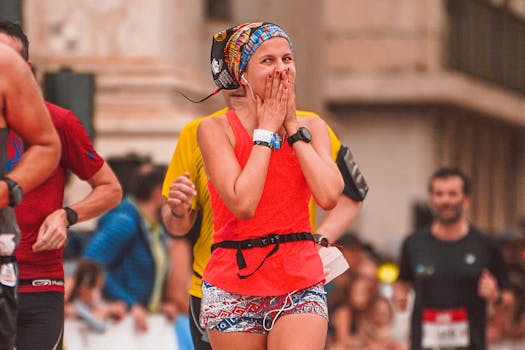
Morning routines serve as the launch pad for the day. In Western countries like the USA and Canada, many women begin their day with personal care routines followed by breakfast and preparing children for school. The inclusion of a morning exercise routine is also common among women striving for a healthy lifestyle.
.png)
Conversely, in many developing countries, mornings can look drastically different. In rural parts of India, for instance, women might start their day before sunrise, engaging in manual labor such as collecting water from wells or working in the fields. These responsibilities are crucial for the sustenance and well-being of their families.
Professional Life and Economic Challenges
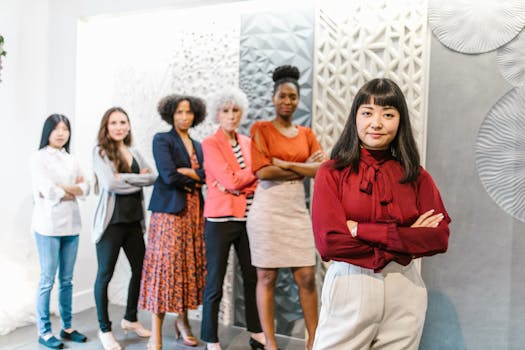
Globally, women's participation in the workforce is increasing, yet they continue to face significant obstacles. Urban women, whether in Tokyo, Berlin, or New York, juggle professional careers in sectors like technology, healthcare, and business. Despite their contributions, issues like unequal pay, glass ceilings, and lack of maternity support persist.
In rural regions, economic activities often revolve around agriculture and local crafts. Despite contributing significantly to agriculture in places like Sub-Saharan Africa, women's labor is often unrecognized in official statistics and inadequately compensated.
Education and Empowerment
Education remains a cornerstone for empowering women. Thanks to global advocacy and governmental efforts, more girls have access to education than ever before. Educated women are equipped to make informed choices about their careers, health, and rights, which is beneficial not just for individual women but for their communities and economies at large.
Healthcare Access
Healthcare is a critical issue, with disparities in access and quality around the world. In advanced economies, women have access to comprehensive healthcare services, including reproductive health. In contrast, in many parts of Africa and Asia, limited access to healthcare facilities and a reliance on traditional practices can jeopardize women's health, particularly during childbirth.
Leisure and Social Life
Leisure time varies significantly. In many Western societies, women may enjoy hobbies such as reading, sports, or arts and crafts. Conversely, in more conservative societies, women's leisure activities might be more restricted due to cultural norms or safety issues. However, the rise of digital platforms has provided a new venue for social interaction and personal expression for women worldwide.
Family and Community Roles
Regardless of geographical location, many women play a pivotal role in caregiving within their families. This often includes caring for children, the elderly, and other dependent family members. While fulfilling, these responsibilities can also lead to stress, especially when balanced with other duties like employment.
Conclusion
The everyday life of women around the world is shaped by a blend of personal, cultural, and economic factors. By understanding and appreciating these diverse experiences, global societies can better support women in overcoming challenges and achieving their full potential. Addressing issues such as gender inequality, access to education, and healthcare are crucial in empowering women and fostering more equitable societies.