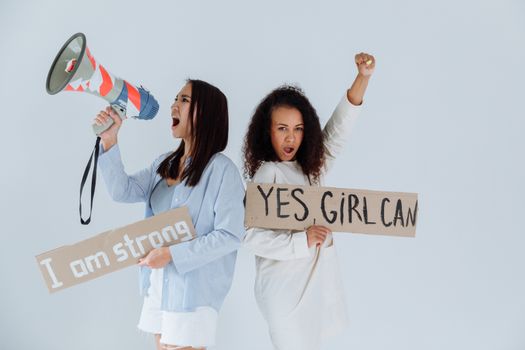
Female friendships are a powerful force, quietly shaping the lives of women across the world. More than just social bonds, these relationships are essential for mental health, emotional resilience, career advancement, and even physical well-being. In a society that often highlights romantic partnerships or family, the significance of platonic female connections is sometimes overlooked. Yet, research and real-life experiences consistently show that women’s friendships are not simply “nice to have”—they’re vital to thriving at every stage of life.
The Unique Dynamics of Female Friendships
Female friendships are often characterized by deep emotional intimacy, frequent communication, and a remarkable degree of empathy. According to a 2018 study published in the journal Social Psychological and Personality Science, women’s friendships typically involve more self-disclosure and emotional support than men’s, with 72% of women reporting that they confide “everything” in their closest female friend, compared to only 45% of men.
This emotional openness fosters a sense of psychological safety. Women often feel free to express fears, joys, frustrations, and ambitions in ways that might not be possible elsewhere. The language of these friendships—whether in person, over text, or online—is rich with validation and encouragement. Unlike the competitive or activity-based friendships more common among men, female friendships thrive on shared vulnerability and nurturing.
.png)
In addition, neuroscientific research reveals that when women interact with close friends, their brains release more oxytocin—the “bonding hormone”—than in other social contexts. This chemical boost can reduce stress and promote feelings of trust and connection.
Mental and Physical Health Benefits of Strong Female Bonds
The health impacts of robust female friendships are profound—and measurable. In 2006, a landmark UCLA study coined the term “tend and befriend” to describe how women respond to stress by seeking out social support, particularly from other women. This behavior, the study found, helps lower cortisol levels and buffers the physical effects of stress.
Consider these compelling statistics:
- A 2017 study published in PLOS ONE found that women with strong social networks had a 50% increased likelihood of survival over a decade compared to those with weaker ties. - The Harvard Women’s Health Watch reported that maintaining satisfying friendships can reduce the risk of heart disease, lower blood pressure, and improve immune function. - Women who lack close friendships are at a higher risk for depression and anxiety disorders, according to the National Institute of Mental Health.The mental health benefits are equally striking. Regular interactions with female friends can provide a sense of belonging, reduce loneliness, and offer a critical buffer against life’s challenges—from career setbacks to family pressures. Women often turn to their friends for practical advice, emotional processing, and shared laughter, all of which are vital for psychological resilience.
Female Friendships Across the Life Span
The role and nature of female friendships evolve throughout a woman’s life, but their importance remains constant.
- $1, friendships help shape identity, foster self-esteem, and teach social skills. Girls’ friendships at this stage often set the tone for future relationships. - $1, female friends are often “chosen family,” providing pivotal support as women navigate education, career beginnings, and romantic relationships. - $1, friendships can be a lifeline, offering emotional validation and practical help. A 2022 Pew Research survey found that 84% of mothers with young children leaned on female friends for parenting advice and emotional support. - $1, female friendships become essential as women face transitions such as empty nesting, career changes, or widowhood. Research from the Journal of Women & Aging indicates that older women with strong friendships report higher life satisfaction and lower rates of cognitive decline.The following table summarizes the key roles female friendships play at different life stages:
| Life Stage | Main Benefits of Female Friendships | Common Challenges |
|---|---|---|
| Adolescence | Identity formation, self-esteem, social skills | Peer pressure, insecurity, shifting alliances |
| Young Adulthood | Support in transitions, career and romance advice | Geographical moves, time constraints |
| Motherhood | Emotional validation, practical help, shared experiences | Limited time, differing parenting styles |
| Midlife | Coping with life changes, emotional resilience | Career demands, family obligations |
| Older Age | Combatting loneliness, cognitive health, shared history | Mobility issues, loss of friends |
How Female Friendships Foster Personal Growth and Empowerment
Beyond emotional support, female friendships are crucial engines for personal and professional growth. These relationships provide a safe space for women to explore ambitions, discuss setbacks, and celebrate achievements.
Peer encouragement can be especially empowering. According to a 2019 LeanIn.Org survey, 67% of women said that their female friends were their top motivators for pursuing promotions, starting businesses, or making major life changes. Supportive friends offer honest feedback, help with networking, and provide accountability for goals.
Mentorship is another key aspect. Older or more experienced friends often serve as informal mentors, offering wisdom and practical advice. In settings where women are underrepresented—such as STEM fields or executive leadership—female friendships can be a lifeline, counteracting isolation and boosting confidence.
Furthermore, the celebration of each other’s successes rather than rivalry sets a foundation for collective empowerment. Female friendships embody the idea that “a rising tide lifts all boats,” where individual accomplishments are seen as shared victories.
The Societal Impact of Women’s Networks
Female friendships extend beyond individual well-being; they play a vital role in social change and community building. Women have historically relied on friendship networks for activism, mutual aid, and the sharing of resources.
In the suffrage movement of the early 20th century, for example, women’s clubs and informal gatherings provided the backbone for organizing—leading to the passage of the 19th Amendment in the United States. Today, women’s networking groups, book clubs, and online communities continue this tradition, fostering solidarity and collective action.
A 2021 report by McKinsey & Company found that organizations with strong female mentorship and friendship networks are 35% more likely to have above-average profitability. These networks facilitate knowledge sharing, innovation, and a sense of belonging, which benefits not just women but entire organizations and communities.
Moreover, female friendships often serve as a counterbalance to societal pressures, such as unrealistic beauty standards or gender expectations. Through mutual support, women can challenge stereotypes and advocate for more equitable policies and practices.
Navigating Challenges and Nurturing Lasting Friendships
Despite their many benefits, female friendships are not immune to challenges. Misunderstandings, jealousy, life transitions, and the demands of work or family can strain even the strongest bonds. A 2020 survey by the American Sociological Review found that 40% of women reported losing touch with at least one close friend in the previous five years, often due to moves, changing priorities, or time constraints.
However, research and expert advice offer guidance on sustaining healthy female friendships:
- $1 Regular, open conversations—whether in person, over the phone, or via text—help maintain closeness. - $1 Acknowledging birthdays, achievements, and difficult anniversaries strengthens emotional ties. - $1 No relationship is perfect. Letting go of minor grievances and addressing misunderstandings with compassion is key. - $1 Friendships can evolve with life circumstances. Being flexible and supportive during transitions fosters resilience.Making time for friendships—no matter how busy life gets—pays dividends in well-being and happiness. Even a quick message or monthly coffee date can keep connections strong.
Why Female Friendships Matter More Than Ever
In today’s fast-paced, digitally connected world, the value of authentic female friendships cannot be overstated. They provide a lifeline through life’s ups and downs, offer a safe space for vulnerability and growth, and collectively empower women to reach new heights. From adolescence through old age, the unique dynamics of female friendships foster resilience, joy, and a sense of purpose.
As society continues to evolve, nurturing these bonds is not just beneficial—it’s essential. Recognizing and celebrating the importance of female friendships can help women everywhere lead fuller, healthier, and more empowered lives.