The Woman’s Handbook for Ultimate Self-Care: Strategies for Mind, Body, and Soul
In a world where women juggle personal aspirations, career ambitions, and family responsibilities, self-care is often the first thing to slip through the cracks. Yet, prioritizing self-care is not a luxury—it’s a necessity for sustained well-being, resilience, and joy. Ultimate self-care goes beyond bubble baths and spa days; it’s a holistic approach that weaves together mental, physical, emotional, and spiritual health. This comprehensive handbook is designed to help women of all ages and backgrounds reclaim their power, nurture themselves fully, and thrive in every aspect of life.
Redefining Self-Care: Beyond the Buzzword
Self-care has become a trendy phrase, but what does it truly mean for women today? At its core, self-care is the intentional practice of caring for your own well-being through actions that restore, rejuvenate, and empower. According to a 2023 Global Wellness Institute report, 76% of women say they feel “overwhelmed by daily responsibilities,” yet only 33% regularly practice meaningful self-care.
Ultimate self-care means creating a personalized toolkit that fits your unique needs, values, and lifestyle. It’s about making choices—both big and small—that honor your mind, body, and soul. Unlike quick-fix trends, this approach is rooted in sustainable habits, self-awareness, and compassion for yourself. Rather than a to-do list item, self-care becomes a way of life.
.png)
Mental Health Mastery: Tools for Emotional Resilience
Mental and emotional well-being are the foundation of ultimate self-care. Women are twice as likely as men to experience depression and anxiety, according to the World Health Organization. Investing in your mental health is crucial not only for coping with stress but also for unlocking creativity, focus, and happiness.
Here are evidence-based strategies for cultivating emotional resilience:
- Mindful Journaling: Spend just 10 minutes a day reflecting on your thoughts and feelings. A University of Rochester study found that expressive writing reduces stress by 27% and improves mood. - Boundary Setting: Practice saying “no” without guilt. Healthy boundaries protect your energy and prevent burnout. - Digital Detox: Limit social media to 30 minutes a day. Research from the University of Pennsylvania shows this can reduce loneliness and depression in women by up to 35%. - Therapy and Support: Don’t hesitate to seek professional help or join support groups. According to Mental Health America, women who participate in therapy or group counseling report a 50% increase in life satisfaction.Physical Wellness: Movement, Nutrition, and Rest
Physical self-care is more than just exercise; it’s a holistic approach to movement, nutrition, and rest that honors your body’s changing needs. The U.S. Department of Health reports that only 24% of women get the recommended 150 minutes of moderate exercise per week, and over 50% struggle with sleep issues.
Key pillars for physical self-care include:
- Joyful Movement: Find activities you genuinely enjoy—dance, hiking, yoga, or swimming. Consistency matters more than intensity. - Nourishing Nutrition: Prioritize whole foods, colorful fruits and vegetables, lean proteins, and healthy fats. The Harvard T.H. Chan School of Public Health found that women who follow a Mediterranean-style diet have a 25% lower risk of heart disease. - Sleep Hygiene: Aim for 7-9 hours of quality sleep. Establish a calming bedtime routine and limit screen time before bed. - Body Positivity: Celebrate your body for what it can do, not just how it looks. Try mirror affirmations or gratitude practices focused on your physical strengths.Spiritual Self-Care: Finding Meaning and Connection
Spiritual self-care is often overlooked but plays a crucial role in overall well-being. It’s not limited to religious practices—it’s about connecting to a sense of purpose, wonder, and inner peace.
Ways to nurture your spiritual side:
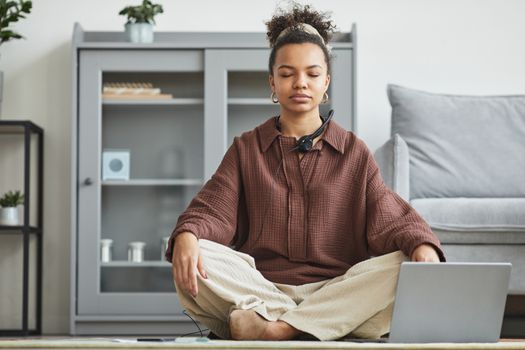
- Nature Immersion: Spend time outdoors. A study published in Scientific Reports found that just two hours a week in nature significantly boosts mood and vitality. - Meditation and Breathwork: Even five minutes a day can reduce anxiety and improve clarity. The American Psychological Association reports that mindfulness practices lower stress hormones by up to 25%. - Creative Expression: Whether it’s painting, singing, or gardening, creative activities foster a sense of flow and fulfillment. - Community Engagement: Volunteer or connect with groups that share your values. A 2022 Gallup poll found that women who engage in community service report 30% higher levels of life satisfaction.The Self-Care Spectrum: Comparing Approaches
No two women are alike, and neither are their self-care needs. Here’s a comparison of popular self-care approaches, highlighting their benefits and best-fit scenarios:
| Approach | Best For | Key Benefits | Potential Drawbacks |
|---|---|---|---|
| Mindfulness-Based Self-Care | Women seeking stress relief and focus | Reduces anxiety, boosts concentration, improves sleep | Can be challenging for beginners to sustain |
| Physical Wellness Programs | Active women or those wanting to improve fitness | Increases energy, strengthens body, prevents disease | Time-consuming, may require equipment or classes |
| Social Self-Care | Women who thrive on connection | Builds support networks, reduces loneliness | May not suit introverts or those with limited time |
| Spa and Pampering Rituals | Women needing relaxation and immediate stress relief | Boosts mood, encourages rest, feels indulgent | Can be costly, may provide only temporary relief |
| Spiritual or Creative Practices | Women seeking meaning and inspiration | Enhances purpose, fosters joy, encourages reflection | May require experimentation to find the right fit |
Designing Your Personalized Self-Care Blueprint
Ultimate self-care is not one-size-fits-all. The key is to design a routine that reflects your personality, priorities, and life stage. Research from the Journal of Women’s Health found that women who regularly “personalize” their wellness routines are 40% more likely to maintain them long-term.
Follow these steps to create your self-care blueprint:
1. Assess Your Needs: Take stock of your mental, physical, emotional, and spiritual health. What areas feel neglected or depleted? 2. Set Realistic Goals: Choose 1-2 new habits to focus on each month. For example, “I will walk 20 minutes daily,” or “I’ll journal three times a week.” 3. Schedule Self-Care: Block out time in your calendar as you would any important appointment. Treat it as non-negotiable. 4. Track and Adjust: Keep a self-care diary or use an app to monitor your progress. Celebrate wins and tweak your routine as your needs evolve. 5. Seek Support: Share your self-care intentions with a trusted friend or join an accountability group. According to a 2021 Stanford study, women who have support partners are twice as likely to reach their wellness goals.Barriers to Self-Care—and How to Overcome Them
Despite the benefits, many women struggle to make self-care a priority. Common barriers include guilt, time constraints, financial limitations, and cultural expectations.
Here are evidence-based strategies to overcome these obstacles:
- Release Guilt: Remind yourself that self-care is essential, not selfish. When you care for yourself, you have more to give to others. - Micro-Moments: Use small windows of time—a five-minute meditation, a brisk walk, a quick phone call to a friend—to recharge. - Budget-Friendly Options: Many self-care practices are free, like breathwork, gratitude journaling, or stretching. Libraries, community centers, and online platforms offer affordable resources. - Challenge Stereotypes: Speak openly about your self-care needs. The more women normalize prioritizing themselves, the easier it becomes for others to do the same. - Reframe Productivity: Remember, rest and play are productive. Burnout costs the U.S. economy over $300 billion annually—investing in self-care is good for everyone.Ultimate Self-Care: Lasting Impact for Every Woman
The path to ultimate self-care is a personal, ongoing journey. By weaving together strategies for mental, physical, emotional, and spiritual health, women can build resilience, deepen their sense of joy, and live more vibrantly. Remember, self-care isn’t about perfection or rigid routines—it’s about honoring your needs, listening to your body, and showing yourself the same compassion you offer others.
Every woman deserves a self-care toolkit that evolves with her life. Start small, stay curious, and celebrate each step you take toward your own well-being. In doing so, you not only enhance your own life but also model healthy habits for those around you.