The complexities of a woman's everyday life are indeed vast and varied, impacting her personal and professional experiences in profound ways. As societies continue to evolve, the acknowledgment and support of these multifaceted challenges are crucial for fostering an environment where women can thrive equally and without prejudice.
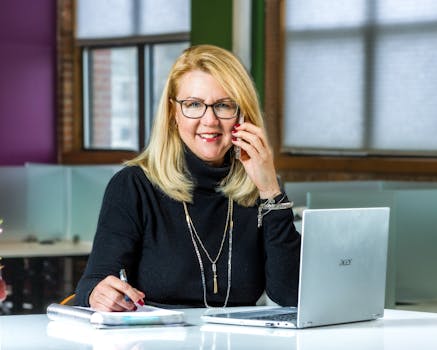
One significant area where women's lives are distinctly impacted is in the workforce. Despite strides towards equality, women frequently encounter obstacles such as lower pay compared to men for equivalent roles, fewer opportunities for advancement, and, often, a lack of support for balancing professional and personal lives. These issues not only affect economic stability but also influence self-esteem and career satisfaction.
In the realm of family and domestic responsibilities, women often bear a disproportionate burden. This includes not only parenting and caregiving but also the day-to-day management of household duties. Such responsibilities can lead to "time poverty," where women find themselves with little time for self-care, education, or leisure activities, which are essential for a balanced life.
.png)
Health concerns are also more pronounced in women, with a higher prevalence of certain mental and physical health conditions. Stress, anxiety, and depression frequently stem from or are exacerbated by the pressures and expectations placed on women. Moreover, diseases such as autoimmune disorders show a higher incidence in women, necessitating a greater need for accessible healthcare solutions and supportive health management systems.
Societal expectations still significantly shape the lives of many women. Cultural norms and stereotypes about gender roles can restrict women's choices in many aspects of life, including career, family planning, and even personal aspirations. These pressures can create conflicts between personal desires and societal expectations, often placing women in challenging positions where they must navigate complex social dynamics.
Education and personal development are critical areas where women continue to strive for progress. Access to education and the pursuit of personal or professional growth are essential for empowering women, yet these are often compromised by the need to balance other responsibilities. Achieving higher education or career advancement requires significant personal sacrifice and strategic planning.
The digital age offers new tools and platforms that can help women manage these challenges. Technology provides educational resources, professional networks, health information, and social support systems that were not as accessible in the past. These digital tools can empower women to find better balance and access opportunities that were previously out of reach.
In conclusion, the everyday life of a woman involves navigating a complex array of challenges and expectations. By understanding and addressing these issues, we can better support and empower women, leading to a more equitable and productive society. It is crucial that both individuals and institutions continue to advocate for policies and practices that acknowledge and address the unique challenges faced by women. Through collective effort and understanding, we can ensure that women have the opportunity to lead fulfilling, balanced, and successful lives.