Women across the world encounter various challenges daily that affect their well-being. These issues range from societal pressures and workplace inequalities to personal health concerns. This article discusses these common struggles and offers practical tips on how women can manage and overcome them.
Economic Challenges: Bridging the Gender Wage Gap
The gender wage gap remains a significant issue, with women often earning less than men for equivalent work. This disparity can lead to stress and feelings of undervaluation. Women can address this by:
.png)
- Negotiating salaries assertively.
- Seeking mentorships and professional development opportunities.
- Supporting and joining organizations that advocate for gender equality in the workplace.
Work-Life Balance
Many women strive to balance professional ambitions with family and personal responsibilities, risking burnout. Strategies to enhance work-life balance include:
- Establishing clear boundaries between professional and personal life.
- Prioritizing tasks and responsibilities.
- Sharing household and caregiving duties with partners or family members.
Health-Related Issues
Women face unique health challenges, including menstrual issues, pregnancy, and menopause. Managing these effectively involves:
- Gaining knowledge about these health conditions.
- Consulting healthcare providers for management strategies.
- Finding supportive communities and resources.
Societal Pressures on Appearance
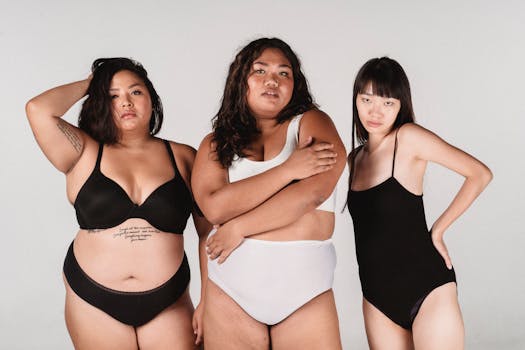
Pressure to meet certain beauty standards can adversely affect women’s self-esteem and mental health. To foster a positive body image, women can:
- Embrace and celebrate unique physical features.
- Challenge and reject unrealistic beauty standards promoted by media.
- Support campaigns and movements that promote diverse beauty representations.
Safety Concerns
Safety is a crucial issue, as women often experience higher risks in public spaces. Enhancing personal safety can be achieved by:
- Being aware of surroundings.
- Learning self-defense techniques.
- Advocating for safer, more inclusive public spaces.
Intersectional Discrimination
Discrimination can also intersect with factors like race, age, or sexual orientation, compounding the challenges faced. To combat this, women can:
- Build and maintain a supportive network.
- Educate themselves and others on issues of intersectional discrimination.
- Engage in activism to promote inclusivity and equality.
Self-Care Practices
Practicing self-care is vital for coping with daily stresses. Effective self-care may include:
- Regular physical activity.
- A nutritious diet.
- Adequate sleep.
- Mindfulness practices, such as meditation or yoga.
Community and Professional Support
Seeking support from friends, family, or professionals can provide emotional relief and a sense of belonging. This support is crucial in times of need and can significantly alleviate the burden of daily struggles.
Societal Support and Recognition
It is crucial for society to acknowledge and act on these challenges. This includes:
- Advocating for policies that promote gender equality.
- Providing ample resources for women’s health.
- Creating an inclusive culture that values diversity and equality.
In summary, while women face numerous daily challenges, there are effective ways to manage and overcome these issues. Through self-advocacy, community support, and self-care, women can not only cope with but also thrive amid these difficulties. It is essential for society to contribute actively to creating an environment where women have equal opportunities and resources necessary for success.