Every day, women around the world weave together countless threads of responsibilities, emotions, and ambitions to create the fabric of their daily lives. While the complexities of a woman’s everyday life are often underestimated, a closer look reveals a landscape filled with unique challenges, decisions, and opportunities. From balancing professional aspirations and family commitments to navigating societal expectations and personal fulfillment, understanding these intricacies helps us appreciate the resilience and adaptability that define the modern woman’s journey.
The Multifaceted Roles Women Navigate Daily
Women’s daily lives are rarely defined by a single role. Instead, they often juggle multiple identities: professionals, caregivers, partners, friends, community leaders, and more. According to a 2023 report by the Pew Research Center, 62% of women in the U.S. with children under 18 participate in the labor force, while 76% still serve as primary caregivers at home. This dual responsibility creates a dynamic where time management and emotional labor are constant companions.
For example, a typical weekday might include morning routines for children, a full day at work, coordinating household tasks, assisting with homework, and making time for social connections—all before finding a moment for personal relaxation. The sum of these responsibilities can lead to “role overload,” a phenomenon acknowledged by psychologists as a primary contributor to stress among women. Yet, despite these pressures, many women excel at multitasking and adapt their routines to meet the demands of each day.
.png)
The Invisible Labor: Emotional and Mental Load
Beyond visible tasks, women often shoulder an “invisible labor” that includes emotional and mental management for their families and workplaces. This encompasses remembering birthdays, organizing family schedules, maintaining social relationships, and offering emotional support to loved ones. A 2019 study published in the American Sociological Review found that women are 2.5 times more likely than men to manage family routines and emotional needs.
This mental load is not limited to the home. In professional settings, women frequently serve as informal mentors, mediators, and morale boosters, roles that may not be officially recognized but are crucial to workplace culture. The cumulative effect of this invisible labor can be draining, impacting mental health and overall well-being. Recognizing and redistributing this load is essential for fostering more equitable environments, both at home and in the workplace.
Societal Expectations and Shifting Cultural Norms
Society’s expectations play a significant role in shaping the complexities of a woman’s everyday life. Traditional gender roles continue to influence perceptions about women’s responsibilities in family, appearance, and career. For instance, research from the World Economic Forum’s 2024 Global Gender Gap Report highlights that women still perform three times as much unpaid domestic work as men worldwide.
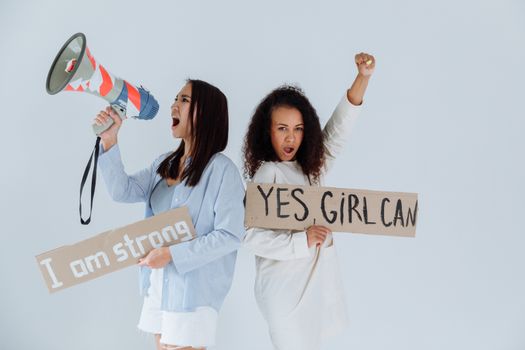
However, cultural norms are gradually shifting. Increasingly, women are challenging stereotypes and advocating for equal opportunities in education, leadership, and personal expression. Social media platforms have amplified diverse voices, allowing women to share their experiences and push for systemic change. Movements like #MeToo and campaigns for pay equity have brought global attention to issues that were once brushed aside.
Nonetheless, navigating these evolving expectations can be challenging. Women may feel pressure to achieve “perfection” in multiple domains—professional achievement, parenting, appearance—while dealing with the persistent double standards that society imposes.
Health and Well-being: Prioritizing Self in a Busy World
Maintaining physical and mental health is a foundational yet often overlooked complexity in women’s daily lives. According to the Centers for Disease Control and Prevention (CDC), nearly 20% of women in the U.S. experience mental health issues such as anxiety and depression each year. Despite this, women frequently deprioritize their own well-being to care for others.
Women’s health concerns are multifaceted, ranging from reproductive health and hormonal changes to chronic conditions like autoimmune diseases, which affect women at a rate four times higher than men. Time scarcity, lack of access to healthcare, and societal expectations can create barriers to seeking care or engaging in self-care routines.
Nevertheless, recent years have seen a rise in awareness and resources dedicated to women’s health. Telemedicine, wellness apps, and community support groups are making it easier for women to prioritize their health. Despite progress, disparities remain, particularly for women of color and those in underserved communities.
Comparing Time Allocation: Women vs. Men
To better understand the complexities of a woman’s everyday life, it is helpful to compare how women and men typically allocate their time. The following table uses data from the U.S. Bureau of Labor Statistics (2023) to illustrate average daily hours spent on key activities:
| Activity | Women (avg. hours/day) | Men (avg. hours/day) |
|---|---|---|
| Paid Work | 3.6 | 4.2 |
| Household Activities | 2.6 | 1.8 |
| Childcare | 1.2 | 0.8 |
| Leisure & Sports | 4.7 | 5.3 |
| Personal Care | 9.7 | 9.6 |
This data highlights significant disparities, particularly in unpaid labor like housework and caregiving. Although women’s participation in the workforce continues to rise, their share of unpaid domestic work remains disproportionately high.
Technology as a Tool for Navigating Modern Life
Technology has become an indispensable ally in helping women manage the complexities of daily life. Smartphone apps, online calendars, and digital assistants streamline scheduling, reminders, and communications. According to a 2023 Pew Research Center survey, 86% of women in the United States use smartphones to coordinate family activities and work obligations.
Remote work, accelerated by the COVID-19 pandemic, has offered many women greater flexibility. In 2022, over 32% of women reported working remotely at least part-time, compared to just 12% in 2019, according to Gallup. This shift has enabled some to better balance professional and personal responsibilities, though it also introduces challenges like blurred work-life boundaries.
Additionally, online communities and social media provide platforms for support, resource sharing, and advocacy. From parenting forums and health apps to professional networks like LinkedIn, women now have more tools than ever to connect, learn, and thrive.
Pursuing Personal Fulfillment Amidst Daily Demands
Amid the whirlwind of responsibilities and expectations, women continually seek personal growth, satisfaction, and joy. Whether it’s pursuing a creative hobby, advancing in a chosen career, or volunteering in the community, personal fulfillment remains a vital part of well-being.
A study by the American Psychological Association in 2022 found that women who regularly engage in leisure activities or creative pursuits report 32% higher life satisfaction than those who do not. Allocating even small pockets of time for self-expression, learning, or relaxation can have a significant positive impact on mental health and resilience.
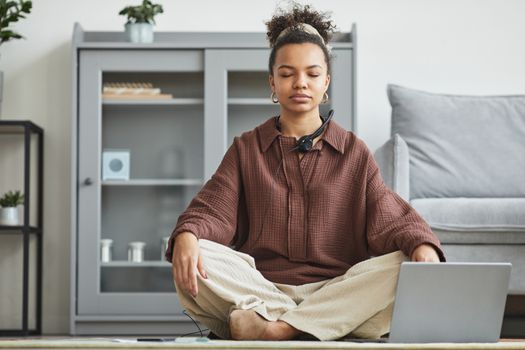
Despite the time crunch, women are finding innovative ways to nurture their passions—joining book clubs, taking online courses, or carving out quiet moments for meditation. Employers and families that recognize and support these pursuits contribute to happier, healthier women who are better equipped to handle the complexities of daily life.
Moving Toward a More Equitable Future
Understanding the complexities of a woman’s everyday life is crucial for building more supportive communities, workplaces, and societies. By acknowledging the breadth of women’s responsibilities, the invisible labor they perform, and the persistent societal pressures they face, we can take meaningful steps toward gender equity.
Efforts to redistribute household and caregiving duties, promote flexible work arrangements, and support women’s health are already making a difference. As cultural norms continue to evolve, it is essential for everyone—regardless of gender—to advocate for policies and practices that empower women to thrive.
The journey toward equity is ongoing, but with increased awareness and collective action, we can create environments where women’s daily complexities are understood, valued, and adequately supported.