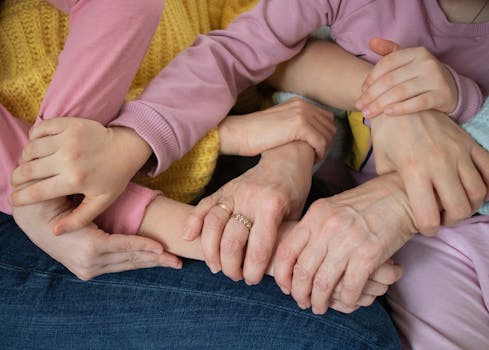
Finding and maintaining a supportive online women’s community can be a transformative experience. In the digital age, access to like-minded women’s groups has never been easier—but with so many options, it can be difficult to know where to begin, how to find the right fit, and how to nurture those connections for long-term empowerment and growth. Whether your aim is personal development, overcoming specific challenges, or simply finding camaraderie, an online women’s community offers unique opportunities for support, learning, and belonging. This article explores how to locate, join, and help sustain a thriving online women’s support network, with practical advice and real-world examples.
The Rise of Online Women’s Communities: Why They Matter
The internet has revolutionized how women connect, share, and support each other. According to a 2022 Pew Research Center study, 72% of women in the United States have participated in some form of online group or community. From small forums to large-scale social networks, these spaces offer women the chance to discuss issues, seek advice, and celebrate achievements without geographical limitations.
The importance of supportive online communities is reflected in their impact: a 2023 Women’s Community Survey found that 84% of women who regularly engage in digital support groups report increased feelings of confidence and belonging. For many, especially those facing isolation or unique challenges, these groups become lifelines for mental health, professional development, and friendship.
.png)
Identifying Your Needs: Choosing the Right Type of Supportive Community
Before joining an online women’s community, it’s essential to consider your goals and preferences. Not all groups are created equal—some are geared toward professional networking, others focus on health or emotional support, while some are built around hobbies or activism. Determining what you hope to gain will help you find the best fit.
Key questions to ask yourself include:
- Are you seeking emotional support, mentorship, or practical advice? - Do you prefer large, active groups or smaller, more intimate circles? - Is anonymity important, or do you value face-to-face video chats? - Are you comfortable with structured forums, or do you prefer casual social media spaces?Here’s a comparison of common online women’s community types:
| Community Type | Platform Examples | Main Focus | Typical Group Size | Best For |
|---|---|---|---|---|
| Professional Networks | LinkedIn Groups, Ellevate Network | Career growth, mentorship | 1,000+ members | Women seeking career advancement |
| Health & Wellness Forums | MyFitnessPal, Women’s Health Subreddits | Physical & mental health | 100–10,000 members | Women focusing on health goals |
| Peer Support Groups | Facebook Groups, Meetup.com | Shared experiences (e.g., motherhood, chronic illness) | 20–2,000 members | Women seeking empathy and advice |
| Special Interest Communities | Discord, Reddit, Mighty Networks | Hobbies, activism, shared passions | 50–5,000+ members | Women looking to connect over interests |
By identifying your priorities, you’re more likely to find a group that meets your expectations, making it easier to engage and benefit from the community.
How to Find Supportive Women’s Communities Online
Once you know what you’re looking for, the search begins. There are thousands of online communities for women, but quality and atmosphere can vary. Here are strategic steps to finding a group that’s supportive, active, and aligned with your needs:
1. $1: When searching platforms like Facebook, Reddit, or Meetup, be specific. Use keywords such as “women’s support,” “women in tech,” “female entrepreneurs,” or “women’s wellness.” Combine these with your particular interest or need, e.g., “women’s anxiety support group online.” 2. $1: Some sites are designed exclusively for women, such as Peanut (for mothers and expectant women), The Wing (professional networking), or Girlboss Community (entrepreneurial women). These platforms often require a sign-up but offer a curated, safe space. 3. $1: Instagram and Twitter hashtags like #WomenSupportingWomen, #SisterhoodOnline, or #WomenEmpoweringWomen can lead you to active groups and ongoing conversations. 4. $1: If you’re already part of a professional or academic network, check for affiliated online communities. Many organizations have digital chapters or private groups for members. 5. $1: Before joining, look for feedback from current or past members. Sites like Trustpilot, Reddit, or even Google can offer insights into the group’s atmosphere and effectiveness.For example, the Facebook group “Women in Digital” has over 40,000 members and a reputation for supportive, career-focused dialogue, while “Chronic Illness Support for Women” on Reddit offers a more intimate, empathetic environment for health-related sharing.
Evaluating the Health and Safety of Online Groups
Not all online women’s communities are equally supportive or safe. It’s important to assess group culture, moderation, and privacy policies before sharing personal information. Here are key indicators of a healthy community:
- $1: Look for evidence that moderators enforce guidelines, address inappropriate behavior, and foster respectful dialogue. A 2021 study by the Digital Women’s Safety Initiative found that groups with active moderation reported 60% fewer incidents of harassment. - $1: Healthy groups post clear expectations regarding behavior, privacy, and content. This helps create a safe, welcoming atmosphere. - $1: The most supportive communities embrace diversity—across age, race, background, and experience. Diversity fosters richer discussions and broader perspectives. - $1: Check if the group is public or private. Closed or secret groups offer more privacy, while public forums may expose personal posts to a wider audience. Also, review how your data and posts are handled.If possible, “lurk” or observe group interactions before engaging fully. Many platforms allow you to read posts or join as a silent member initially. This lets you gauge the tone and safety of the group before contributing.
Best Practices for Building Lasting Connections Online
Joining a community is just the first step. To truly benefit, it’s important to engage authentically and contribute positively. Here are strategies to help you build meaningful, mutually supportive relationships:
1. $1: Share a brief background and your goals for joining. According to a 2022 Community Building Report, new members who introduce themselves are 40% more likely to receive support and make connections. 2. $1: Regular engagement—commenting, posting, or attending virtual events—helps build trust and visibility within the group. 3. $1: The most vibrant communities are reciprocal. Share your own experiences and advice, not just questions or needs. 4. $1: Be mindful of cultural, personal, and generational differences. Approach disagreements with curiosity rather than judgment. 5. $1: When appropriate, move from public threads to private messages or video chats to foster stronger bonds. 6. $1: A simple congratulatory message or words of encouragement can go a long way in building goodwill. 7. $1: Many communities organize webinars, book clubs, accountability partnerships, or collaborative projects. Joining these activities can accelerate your sense of belonging.Remember, quality matters more than quantity. Even in large groups, focusing on building relationships with a few like-minded individuals can lead to meaningful support and friendship.
Maintaining and Contributing to a Thriving Women’s Community
Sustaining a healthy online community requires ongoing effort from all members. Here’s how you can help your group flourish:
- $1: Post articles, books, podcasts, or tools that might benefit others. For instance, a 2023 survey by Women’s Online Networks found that “resource sharing” was rated the second most valued aspect of community participation after emotional support. - $1: Offer to moderate discussions, organize events, or welcome new members. This not only strengthens the group but also develops your own leadership skills. - $1: If you notice harmful behavior, reach out to moderators or use reporting tools. Maintaining a safe space benefits everyone. - $1: Encourage members to share suggestions for improvement. Many thriving communities conduct regular polls or surveys to keep group dynamics healthy. - $1: While community involvement can be rewarding, it’s important to set boundaries and step back if you feel overwhelmed. Healthy communities respect members’ need for balance.Remember: online communities are living ecosystems. The more you contribute positively, the more everyone—including you—will benefit.
Reflecting on the Power of Online Women’s Support Networks
The search for connection and support is universal, but the internet has made it possible for women everywhere to find their tribe—no matter their circumstances. By carefully selecting, engaging with, and nurturing online women’s communities, you can unlock new opportunities for learning, growth, and genuine friendship. In a world where 61% of women report feeling lonely at times (American Psychological Association, 2023), these communities are not just a convenience; they are a lifeline.
Whether you’re seeking guidance, companionship, or a place to share your story, the right online community can empower you to thrive and, in turn, support others on their journeys.