Beauty Beyond Age: Celebrating Women at Every Stage of Life
Every woman’s life is a tapestry woven from unique experiences, milestones, and transformations. Yet, societal standards have long dictated what beauty should look like—often narrowly defining it by youth. In an era when the average global life expectancy for women has reached 75 years (World Bank, 2023), it’s time to challenge outdated norms and champion beauty at every age. From the fresh promise of youth to the wisdom etched into every smile line, beauty evolves, deepens, and blossoms in countless ways as women journey through life.
This article explores the multifaceted nature of beauty across decades, examining how perceptions shift, why age-inclusive representation matters, and how women are redefining what it means to be beautiful at 20, 40, 60, and beyond. Through stories, data, and expert insights, we invite readers to celebrate the authentic, evolving beauty of women—at every stage of life.
The Evolution of Beauty: From Youth to Wisdom
Cultural narratives have long celebrated the energy and radiance of youth, but real beauty is not confined to any single decade. In fact, studies show that perceptions of attractiveness are deeply influenced by context, culture, and individual self-confidence. According to a 2022 survey by Allure magazine, 64% of women over 50 believe they are more beautiful now than in their 20s, citing increased confidence and self-acceptance.
.png)
Physical attributes naturally shift with age: skin texture changes, hair may gray, and body composition adapts. Yet, research from the American Psychological Association reveals that self-assessed beauty satisfaction often increases with age, as women embrace their identities and value their unique features. Instead of chasing an unattainable ideal, women are increasingly defining beauty on their own terms—prioritizing health, vitality, and authenticity.
Representation Matters: Age Diversity in Media and Fashion
The fashion and beauty industries have historically favored youth, but tides are turning. In 2023, over 31% of models in major fashion campaigns were aged 40 or older—a dramatic rise from just 9% a decade earlier (The Fashion Spot, 2023). Brands like Dove, L’Oréal, and CoverGirl now regularly feature women of all ages, including icons like Helen Mirren (in her 70s) and Maye Musk (in her 80s).
This shift is significant not just for visibility, but for societal attitudes. A survey by AARP found that 69% of women over 40 feel invisible in media and advertising. Greater representation challenges stereotypes, fosters inclusivity, and sends a powerful message: every stage of a woman’s life is worthy of celebration.
The following table highlights the growing age diversity in beauty campaigns over the last decade:
| Year | % of Models 40+ | Notable Campaigns Featuring Older Women |
|---|---|---|
| 2013 | 9% | Dove “Real Beauty” (select campaigns) |
| 2018 | 18% | L’Oréal with Jane Fonda, Lancôme with Isabella Rossellini |
| 2023 | 31% | CoverGirl with Maye Musk, Olay with Denise Bidot |
Beauty Routines Across the Decades: Tailoring Self-Care by Age
Every decade of life brings new joys and challenges, and beauty routines often evolve accordingly. Understanding these shifts helps women embrace their changing needs and celebrate every stage with intention.
In their 20s, women might focus on prevention: sun protection, hydration, and gentle skincare form the foundation. This is the time when collagen production is at its peak, but lifestyle habits—like late nights, stress, and diet—can leave early marks.
By their 30s and 40s, hormonal changes can affect skin and hair. Many women notice the first signs of aging, such as fine lines or changes in elasticity. Here, routines may shift toward targeted treatments (like retinoids or vitamin C serums) and prioritizing sleep, nutrition, and stress management.
Beyond 50, skin tends to become drier and thinner, and hair may lose pigment or volume. Self-care often means richer moisturizers, nourishing oils, and gentle, non-irritating formulas. Just as importantly, maintaining an active lifestyle and fostering emotional well-being play crucial roles in feeling beautiful.
Crucially, the most transformative beauty rituals are those rooted in self-compassion—acknowledging that every scar, wrinkle, or gray hair tells a story of resilience and growth.
The Psychological Impact of Age-Positive Beauty
How women perceive their own beauty at different ages can have profound effects on mental health and overall well-being. The National Institutes of Health reports that women who embrace age-positive attitudes are 32% more likely to report high life satisfaction, compared to those who feel pressured to "fight" aging.
Ageism and unrealistic beauty standards can lead to self-doubt, depression, and social withdrawal. In contrast, age-affirming communities and media can foster empowerment and belonging. For example, online movements like #GreyHairDontCare and #BeautyBeyondAge have amassed millions of followers, providing platforms where women of all ages can share their stories, celebrate milestones, and support one another.
Therapists and psychologists increasingly encourage women to challenge negative self-talk and practice gratitude for their bodies at every stage. Celebrating beauty beyond age isn’t just a cultural shift—it’s a powerful tool for mental and emotional well-being.
Intergenerational Wisdom: Learning from Every Age Group
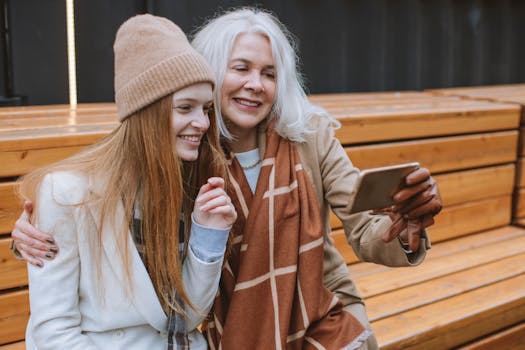
One of the most beautiful aspects of celebrating women at every stage of life is the opportunity for intergenerational exchange. Older women offer invaluable wisdom, guidance, and perspective—while younger generations bring fresh energy, new ideas, and evolving definitions of beauty.
Mentorship programs, family traditions, and public storytelling create bridges between generations. According to a 2021 Pew Research study, 79% of women say they feel most inspired by female relatives or mentors who are a decade or more older than themselves. These connections foster resilience, empathy, and a sense of shared purpose.
Celebrating beauty beyond age means honoring both the innovation of youth and the wisdom of experience. It creates a culture where women uplift one another and redefine what it means to age gracefully—on their own terms.
Celebrating the Beauty of Aging: Stories and Role Models
Real-life stories are perhaps the most compelling testament to beauty at every age. Consider the global rise of “pro-aging” influencers: women like Lyn Slater (@iconaccidental, age 70+), whose fearless style and candid reflections inspire hundreds of thousands online; or 62-year-old marathon runner Harriette Thompson, who became the oldest woman to complete a marathon in 2015.
In 2022, the World Health Organization highlighted that positive portrayals of older women in media led to a 22% reduction in ageist attitudes among viewers. Role models who embrace their age challenge outdated ideas and show younger women that life’s later chapters can be richer and more beautiful than ever.
Brands and advocacy groups are also stepping up: from the "Old is Gold" campaign in India to the AARP’s "Disrupt Aging" initiative in the US, movements around the world are reclaiming the narrative. These efforts not only empower older women, but also help younger generations look forward to aging with excitement rather than fear.
Final Thoughts on Beauty Beyond Age
As women live longer, fuller lives, it’s vital to expand our definition of beauty. The journey from youth to old age is not a decline, but a continual blossoming—each stage marked by its own strengths, lessons, and forms of radiance. By celebrating women at every age, we create a culture that values wisdom, experience, and authentic self-expression.
Shifting the beauty paradigm benefits everyone: younger women gain role models who embody confidence and resilience, while older women are seen, heard, and valued. When society recognizes that beauty thrives in every wrinkle, every laugh line, and every story, we foster genuine empowerment and collective joy.