Stress and anxiety are part and parcel of modern life, affecting millions of people globally. According to the American Institute of Stress, about 77% of people experience stress that affects their physical health, and nearly 73% report stress impacting their mental health. Anxiety disorders are the most common mental health concern in the United States, affecting 40 million adults—or 19.1% of the population—each year, according to the Anxiety & Depression Association of America. While some level of stress is inevitable, managing it effectively is crucial to maintaining emotional and physical well-being. Let’s explore practical, science-backed strategies to not only cope with, but also proactively manage stress and anxiety in everyday life.
Understanding Stress and Anxiety: The Science Behind the Feelings
To manage stress and anxiety effectively, it’s essential to recognize what they are and how they differ. Stress is a physical or psychological response to external pressures, demands, or threats, often termed as “stressors.” These can range from work deadlines to family responsibilities or financial worries. Anxiety, on the other hand, is characterized by excessive and persistent worry, often without a clear or immediate threat.
Both stress and anxiety trigger the body’s “fight-or-flight” response, releasing hormones like cortisol and adrenaline. While helpful in short-term danger, chronic activation of this response can cause long-term harm. According to the World Health Organization, stress-related disorders account for a significant proportion of the global disease burden, contributing to conditions such as hypertension, heart disease, and depression.
.png)
Recognizing the signs—such as trouble sleeping, irritability, fatigue, headaches, or racing thoughts—is the first step toward managing them effectively. Awareness allows individuals to intervene early, before stress and anxiety escalate into more severe health issues.
Proactive Lifestyle Adjustments for Lasting Resilience
Building resilience to stress and anxiety starts with adopting healthy lifestyle habits. Unlike quick fixes, these proactive measures create a foundation for emotional stability and physical health.
1. Sleep Hygiene: The National Sleep Foundation recommends 7-9 hours of quality sleep for adults. Inadequate sleep increases cortisol production and impairs emotional regulation. Establishing a consistent bedtime routine, keeping electronics out of the bedroom, and limiting caffeine intake after 2 p.m. can improve both sleep quality and stress tolerance. 2. Nutrition: Diet has a direct impact on mood and stress levels. Diets high in processed foods, sugar, and caffeine can worsen anxiety. Consuming whole grains, lean proteins, fruits, vegetables, and foods rich in omega-3 fatty acids (like salmon or walnuts) supports brain health and reduces inflammation linked to stress. 3. Physical Activity: Exercise is a potent stress-buster. The Mayo Clinic notes that just 30 minutes of moderate activity, such as brisk walking, five times per week, can reduce anxiety symptoms by up to 48%. Physical activity releases endorphins, which act as natural mood elevators. 4. Routine and Structure: Predictable routines provide a sense of control in an unpredictable world. Planning meals, scheduling breaks, and keeping a regular work or study schedule can help reduce daily stressors and prevent overwhelm.Evidence-Based Techniques to Calm the Mind and Body
Beyond lifestyle, several evidence-based techniques specifically target the physiological and psychological effects of stress and anxiety.
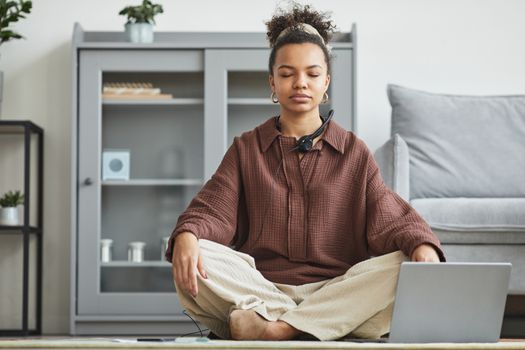
- Deep Breathing: Controlled breathing, such as the 4-7-8 technique (inhale for 4 seconds, hold for 7, exhale for 8), slows the heart rate and activates the parasympathetic nervous system, inducing relaxation. - Progressive Muscle Relaxation (PMR): PMR involves tensing and relaxing each muscle group, helping to release physical tension and focus the mind away from worries. - Guided Imagery: Visualization exercises—imagining a peaceful scene or recalling a positive memory—can interrupt anxious thought patterns. - Journaling: Writing about stressors or worries for 15-20 minutes a day can help process emotions and clarify thoughts, according to a University of Texas study which found journaling can improve mental health and even boost immune function.Let’s compare some common stress and anxiety management techniques by their effectiveness, accessibility, and scientific support.
| Technique | Ease of Use | Scientific Support | Best For |
|---|---|---|---|
| Deep Breathing | Very Easy | High | Immediate stress relief |
| Progressive Muscle Relaxation | Moderate | High | Physical tension, sleep issues |
| Guided Imagery | Easy | Moderate | Chronic anxiety, visualization lovers |
| Journaling | Easy | Moderate | Processing emotions, self-reflection |
| Exercise | Moderate | Very High | Long-term resilience, mood boost |
Digital Tools and Technology: Apps and Resources for Stress Management
Technology offers convenient, accessible solutions for everyday stress and anxiety. According to a 2023 Pew Research Center study, over 85% of adults in the U.S. own a smartphone, making digital tools widely available.
- Mindfulness and Meditation Apps: Headspace, Calm, and Insight Timer provide guided meditations, sleep stories, and breathing exercises. A randomized controlled trial published in JAMA Internal Medicine found that regular use of mindfulness apps reduces anxiety by up to 30% after eight weeks. - Mood Trackers: Apps like Moodnotes and Daylio help users identify patterns and triggers by tracking emotions and activities over time. This self-awareness is crucial for effective stress management. - Online Therapy Platforms: Services like BetterHelp and Talkspace connect users with licensed therapists via chat, video, or phone, offering support for ongoing anxiety and stress issues.Digital resources can be a first step for those hesitant to seek in-person support, and they provide tools that fit busy schedules. However, it’s important to choose apps with evidence-based approaches and strong privacy protections.
The Role of Social Support and Communication
Social connections are a powerful buffer against stress and anxiety. According to Harvard Health, people with strong social ties have a 50% increased likelihood of longevity and better emotional resilience.
- Open Communication: Sharing worries with trusted friends or family members can provide perspective, advice, and emotional support. Even a single supportive conversation can lower perceived stress levels. - Peer Support Groups: Whether in-person or online, groups for stress management or anxiety can reduce feelings of isolation and normalize experiences. - Setting Boundaries: Healthy relationships require boundaries. Learning to say “no” or delegate tasks prevents overwhelm and preserves energy for self-care.Social support isn’t just about quantity, but quality. Focus on nurturing relationships that are empathetic, non-judgmental, and mutually supportive.
When and How to Seek Professional Help
While self-help strategies are effective for many, persistent or severe stress and anxiety may require professional intervention. The Anxiety & Depression Association of America reports that only 36.9% of those suffering from anxiety disorders receive treatment, despite effective options being available.
Signs that professional help may be needed include:
- Chronic, unmanageable worry or fear - Panic attacks or phobias disrupting daily life - Physical symptoms (chest pain, digestive issues) without medical cause - Withdrawal from work, relationships, or activitiesTreatment options include:
- Cognitive Behavioral Therapy (CBT): The gold standard for anxiety disorders, CBT focuses on changing negative thought patterns. It’s shown to be effective in 60-80% of cases. - Medication: Antidepressants or anti-anxiety medications may be prescribed when symptoms are severe or unresponsive to therapy alone. - Stress Management Programs: Structured courses, often offered by clinics or community centers, teach coping skills in a group setting.Early intervention can prevent stress and anxiety from escalating into more serious mental health issues. Consulting a primary care provider can be a helpful first step to determine the best course of action.
Final Thoughts on Managing Stress and Anxiety in Everyday Life
Stress and anxiety are universal experiences, but they don’t have to control your life. By understanding the science behind these emotions and integrating proactive lifestyle choices, evidence-based techniques, digital tools, and social support, anyone can build resilience and improve their overall well-being. Remember: effective management is not about eliminating stress, but about responding to it in healthy, adaptive ways. If stress or anxiety becomes overwhelming, seeking professional help is a sign of strength, not weakness. With the right strategies and support, it is entirely possible to navigate life’s challenges with greater calm and confidence.