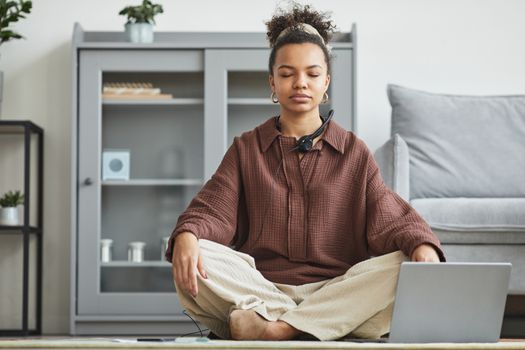
In today's fast-paced world, women face unique mental health challenges as they juggle multiple roles—career, caregiving, relationships, and personal growth. Stress, anxiety, and emotional overwhelm are common, but emerging research highlights the power of mindfulness in improving mental well-being. Mindfulness, a centuries-old practice rooted in focusing one's awareness on the present moment, is gaining momentum as a science-backed approach to fostering resilience, emotional balance, and overall well-being in women of all ages. This article explores innovative, research-driven mindfulness techniques uniquely tailored to women's mental health needs and how they can be seamlessly integrated into everyday life.
The Science Behind Mindfulness and Women’s Mental Health
Mindfulness isn't just a wellness buzzword; it's a life-changing mental health tool with a growing body of scientific evidence supporting its benefits. According to the National Institutes of Health (NIH), mindfulness-based interventions can reduce symptoms of anxiety, depression, and stress by up to 38% in women. Another study published in JAMA Internal Medicine found that mindfulness meditation led to significant improvements in mood and sleep quality for women, particularly those experiencing high stress levels.
Women are more likely than men to experience depression and anxiety—data from the World Health Organization (WHO) indicates that nearly 1 in 5 women worldwide will experience a mental health disorder in their lifetime. These statistics underscore the vital need for accessible, effective strategies. Mindfulness techniques, when tailored for women’s life stages and challenges, can buffer against emotional distress and promote psychological flexibility.
.png)
Body Scan Meditation: Reconnecting With Your Body’s Wisdom
The body scan is a foundational mindfulness practice that encourages gentle awareness of physical sensations from head to toe. For women, this technique is particularly powerful because it fosters a healthy relationship with the body—something that societal pressures and hormonal changes can complicate.
A 2022 survey by the American Psychological Association found that 62% of women reported body image concerns as a significant source of stress. The body scan meditation helps counter this by cultivating non-judgmental awareness and gratitude for the body’s functions. Here’s how it works:
- Find a quiet, comfortable place to lie down or sit. - Close your eyes and take a few deep breaths. - Slowly shift your attention through your body, starting at your toes and moving upward. Notice sensations, tension, or discomfort without trying to change them. - If your mind wanders, gently bring your focus back to the body part you’re exploring.Practicing the body scan for just 10 minutes a day can reduce self-critical thoughts and promote relaxation. Research from Harvard Medical School shows that women who engage in body scan meditation report a 30% decrease in somatic symptoms linked to anxiety.
Mindful Journaling: Harnessing Reflection for Emotional Balance
Journaling is a beloved practice for many women, but when infused with mindfulness, it becomes a potent tool for emotional regulation and self-discovery. Mindful journaling involves writing about your present-moment experiences, thoughts, and emotions with acceptance and curiosity.
This technique is especially valuable for women navigating life transitions—such as motherhood, menopause, or career shifts—that can trigger emotional turbulence. According to a 2021 study in the journal Mindfulness, women who practiced mindful journaling three times a week experienced a 25% reduction in feelings of overwhelm and a 19% increase in positive affect (feelings of happiness and contentment).
Try these prompts to begin your mindful journaling journey:
- What sensations, thoughts, or emotions am I aware of right now? - How can I show myself compassion in this moment? - What is one thing I’m grateful for today?Unlike traditional journaling, the goal here is not to analyze or fix problems but to observe and accept your inner landscape. This gentle form of self-inquiry can help break cycles of rumination and foster emotional clarity.
Breathwork for Stress-Relief: Simple Techniques for Busy Women
Breathing is the bridge between the mind and body, and mindful breathwork offers immediate relief from stress and anxiety. Women often report higher levels of chronic stress—according to the American Institute of Stress, 50% of women say they feel stressed "most of the time," compared to 40% of men. Short, science-backed breathwork practices can fit into even the busiest schedules.
Popular techniques include:
- 4-7-8 Breathing: Inhale for 4 seconds, hold for 7 seconds, exhale for 8 seconds. This activates the parasympathetic nervous system, calming the mind and body. - Box Breathing: Inhale, hold, exhale, and pause for 4 seconds each. This technique is used by athletes and high-performing professionals to enhance focus and reduce anxiety. - Diaphragmatic Breathing: Breathe deeply into your belly, not just your chest. This signals safety to the nervous system and helps manage panic or tension.A 2020 study in Frontiers in Psychology found that women who practiced breathwork for just 5 minutes twice a day experienced a 22% reduction in perceived stress within four weeks.
Mindful Movement: Yoga, Tai Chi, and Dance for Women’s Wellness
Mindfulness isn’t limited to stillness—mindful movement practices like yoga, tai chi, and even mindful dance are powerful for women's mental health. These practices combine physical activity with focused attention, offering benefits for both body and mind.
Yoga is particularly popular among women: a 2023 Yoga Alliance report found that 77% of yoga practitioners in the United States are women. Regular yoga practice is associated with a 43% reduction in symptoms of depression and a 39% improvement in life satisfaction according to a meta-analysis from the University of Pennsylvania.
Tai chi, a gentle martial art, improves balance, reduces anxiety, and is especially supportive for women in midlife experiencing menopause. Mindful dance—moving freely to music while staying attuned to bodily sensations—can improve mood and foster body positivity.
Here’s a comparison of these mindful movement techniques:
| Technique | Main Benefits | Best For | Typical Session Length |
|---|---|---|---|
| Yoga | Reduces depression, improves flexibility and strength, enhances body image | All life stages, especially helpful for stress and emotional balance | 30-60 minutes |
| Tai Chi | Improves balance, reduces anxiety, supports hormonal balance | Midlife and older women, or those seeking low-impact exercise | 20-45 minutes |
| Mindful Dance | Boosts mood, encourages self-expression, supports body positivity | Women of all ages, especially those exploring self-image | 15-45 minutes |
Incorporating mindful movement just two to three times a week can deliver significant improvements in both mental and physical well-being.
Compassion Meditation: Cultivating Kindness Toward Self and Others
Women are often caregivers, putting the needs of others before their own. While compassion for others is a strength, self-compassion is just as vital for mental health. Compassion meditation, also known as loving-kindness meditation, involves silently repeating phrases of goodwill toward oneself and others.
A 2018 study in the journal Self and Identity revealed that women who practiced compassion meditation for eight weeks showed a 34% reduction in self-criticism and a 21% increase in self-acceptance. This practice is especially helpful for women dealing with guilt, perfectionism, or burnout.
To begin:
- Sit comfortably and close your eyes. - Silently repeat phrases such as “May I be happy. May I be healthy. May I be at ease.” - Expand your wishes to loved ones, acquaintances, and even people you have difficulty with.Compassion meditation can be practiced for 5-15 minutes daily, and over time, it rewires the brain for greater empathy, resilience, and emotional stability.
Integrating Mindfulness Into Everyday Routines
For mindfulness to have lasting impact, it must become part of daily life—not just a special activity reserved for weekends or retreats. Women can weave mindfulness into their routines with small, consistent shifts:
- Mindful Commutes: Turn off distractions during your drive or walk, and notice the sights, sounds, and sensations around you. - Mindful Eating: Savor each bite of your meal, paying attention to flavors, textures, and your body’s hunger and fullness signals. - Technology Breaks: Take short pauses from screens to check in with your breath and posture. - Mindful Conversations: Listen actively to others without planning your response, fostering deeper connection.A longitudinal study from the University of California, Berkeley, found that women who integrated short mindfulness practices throughout their day reported a 29% improvement in life satisfaction after six months.
Empowering Women Through Mindfulness: Lasting Benefits for Mental Well-being
Mindfulness is more than a passing trend—it’s a transformative approach to mental well-being, especially for women navigating life’s unique demands. From body scan meditations that foster body appreciation, to compassion meditations that counter self-criticism, these techniques are accessible, evidence-based, and adaptable to individual lifestyles. Science shows that women who practice mindfulness experience lower stress, improved mood, greater self-acceptance, and stronger resilience in the face of adversity.
By integrating mindfulness into daily routines, women can reclaim a sense of balance and empowerment, cultivating not just momentary calm, but enduring mental wellness.