Achieving Your Best: Fitness Goals Every Woman Should Aspire to Achieve
The journey toward fitness is as unique as every woman who embarks on it. While society often spotlights weight loss or body image, truly empowering fitness goals go far beyond the number on a scale. They encompass strength, endurance, mental well-being, flexibility, and holistic health. Setting the right fitness goals can transform not just your body, but your confidence, energy, and outlook on life. Whether you’re a beginner, a returning athlete, or simply seeking a new challenge, understanding the most impactful goals can help you shape a sustainable and rewarding fitness journey.
In this article, we’ll explore fitness goals that every woman should consider, supported by facts, statistics, and actionable strategies. These goals are designed to foster lifelong health, resilience, and empowerment—no matter your age, background, or starting point.
Setting SMART Fitness Goals: Why It Matters for Women
Before diving into specific aspirations, it’s essential to understand the power of SMART goals—Specific, Measurable, Achievable, Relevant, and Time-bound. According to a 2021 study published in the International Journal of Environmental Research and Public Health, women who set SMART goals were 42% more likely to stick with their fitness routines than those who set vague intentions.
.png)
SMART goals help you:
- Track progress with tangible milestones (like running a 5K rather than “getting fit”) - Stay motivated by celebrating small wins - Adjust strategies based on measurable feedbackFor example, instead of saying “I want to get stronger,” a SMART goal would be, “I want to perform 10 consecutive push-ups within two months.” This clarity boosts success and satisfaction.
Building Functional Strength: The Foundation for Everyday Life
Functional strength refers to the ability to perform daily activities with ease, from lifting groceries to playing with children or climbing stairs. According to the American Council on Exercise, women naturally lose up to 5% of muscle mass per decade after the age of 30 if they do not engage in strength training. This decline can affect mobility, posture, and independence.
Key functional strength goals for women include:
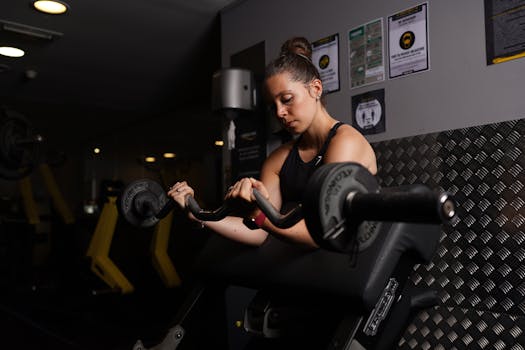
- Performing a full set of bodyweight squats (15-20 reps) - Completing 10 consecutive push-ups (modified or standard) - Holding a plank for 60 seconds - Deadlifting at least 50% of body weightAchieving these milestones can reduce risk of injury, improve bone density (especially critical for women, who are four times more likely than men to develop osteoporosis), and enhance confidence in daily activities.
Prioritizing Cardiovascular Health: A Lifelong Investment
Heart disease remains the leading cause of death among women, accounting for 1 in every 5 female deaths in the United States, according to the CDC. Cardiovascular fitness not only supports heart health but also boosts energy, mental clarity, and emotional resilience.
Recommended cardiovascular goals:
- Completing 150 minutes of moderate-intensity aerobic exercise per week (as per World Health Organization guidelines) - Walking or running a 5K (3.1 miles) within 45 minutes - Reaching a target heart rate of 60-80% of your maximum during exercise sessions for optimal cardiovascular benefitsWomen who regularly engage in aerobic activity reduce their risk of heart disease by up to 35%, according to the American Heart Association. Activities can include brisk walking, cycling, swimming, or group fitness classes—find what you enjoy most to sustain motivation.
Flexibility and Mobility: Unlocking Pain-Free Movement
Flexibility and mobility are often underestimated in fitness discussions, yet they are crucial for injury prevention, posture, and comfort. A 2018 survey by the National Institutes of Health found that nearly 40% of women experience chronic muscle tension or stiffness, often linked to sedentary lifestyles and poor stretching habits.
Flexibility goals to strive for include:
- Touching your toes comfortably from a standing position - Performing a deep lunge with good alignment on both sides - Holding a seated forward fold for 30 seconds without discomfortIncorporating yoga, Pilates, or dedicated stretching routines 2-3 times per week can improve range of motion, reduce back pain (which affects almost 60% of women at some point), and support overall athletic performance.
Mental Resilience and Stress Management: Fitness Beyond the Physical
True fitness encompasses mental and emotional well-being. Exercise stimulates the release of endorphins, lowers cortisol (the stress hormone), and can reduce symptoms of anxiety and depression. The Anxiety & Depression Association of America reports that women are twice as likely as men to experience major depression—yet regular physical activity can decrease these risks by up to 30%.
Goals for mental fitness include:
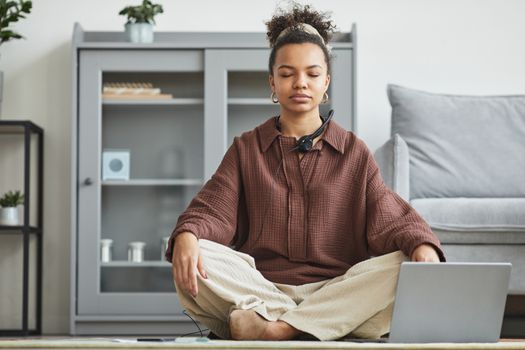
- Practicing mindfulness or meditation for 10 minutes daily - Engaging in activities (such as running, swimming, or dance) that provide a mental “reset” - Tracking mood changes in relation to workouts to identify what works best for youFostering a balanced approach to fitness—where stress management and mental health are as valued as physical milestones—can create a more sustainable, enjoyable journey.
Nutrition and Recovery: Supporting Your Fitness Aspirations
Fitness goals cannot be achieved through exercise alone; nutrition and recovery are equally critical. According to the National Women’s Health Resource Center, up to 80% of women fall short on key nutrients like iron, calcium, and vitamin D—all vital for energy, bone health, and muscle repair.
Nutrition and recovery goals to support your fitness:
- Consuming at least 1.2–1.8 grams of protein per kilogram of body weight daily to aid muscle maintenance - Drinking at least 2 liters (about 8 cups) of water per day - Prioritizing 7-9 hours of quality sleep each night for optimal recovery - Including rest days or active recovery (gentle movement) at least twice a weekProper nutrition and rest not only enhance workout results but also promote long-term health, hormonal balance, and immunity.
Comparing Popular Fitness Goals for Women: What’s Right for You?
Every woman’s fitness journey is different—some thrive on measurable strength gains, while others are motivated by endurance or flexibility. Below is a comparative table to help you identify which goals align best with your lifestyle and aspirations.
| Fitness Goal | Benefits | Recommended Frequency | Example Milestone |
|---|---|---|---|
| Strength | Increases muscle mass, improves bone density, boosts metabolism | 2-3 times/week | 10 consecutive push-ups or deadlift 50% body weight |
| Cardiovascular Endurance | Supports heart health, aids fat loss, enhances stamina | 3-5 times/week | Run a 5K or complete 150 minutes of aerobic activity/week |
| Flexibility | Reduces injury risk, improves posture, alleviates tension | 2-3 times/week | Touch toes or hold deep lunge comfortably |
| Mental Resilience | Lowers stress, improves mood, enhances focus | Daily (even brief sessions) | 10 minutes of mindfulness or meditation per day |
| Nutrition & Recovery | Supports muscle repair, immunity, and hormonal balance | Daily | Meet daily water and protein intake; 7–9 hours sleep |
Redefining Success: Fitness Goals for Every Stage of Life
Fitness aspirations evolve as women move through different life stages. For example:
- In your 20s and 30s, building lean muscle and cardiovascular health lays a strong foundation. - In your 40s and 50s, prioritizing bone density and flexibility becomes more important, with strength training and yoga taking center stage. - After menopause, focusing on balance, mobility, and joint health can support continued independence and vitality.A 2022 report by the World Health Organization emphasizes that women who remain active throughout life enjoy a 30% lower risk of chronic diseases such as diabetes, osteoporosis, and heart disease. Adapt your goals as your needs change—your body and mind will thank you.
Final Thoughts: Empower Yourself Through Meaningful Fitness Goals
Every woman deserves to experience the confidence, energy, and fulfillment that comes from setting and achieving meaningful fitness goals. The most empowering aspirations look beyond aesthetics to encompass physical strength, cardiovascular health, flexibility, mental wellness, and holistic self-care. By embracing SMART goals tailored to your unique journey, you not only improve your body but also cultivate resilience, joy, and self-assurance at every stage of life.
Remember, fitness is not a destination—it’s a lifelong adventure. Celebrate your progress, honor your efforts, and keep challenging yourself to reach new heights. The healthiest, happiest version of you is always within reach.