.png)
Introduction
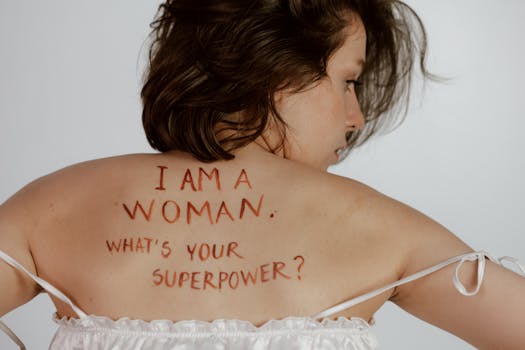
The 21st century has witnessed a profound transformation in the ways society understands, expresses, and celebrates femininity. No longer confined to traditional roles and stereotypes, femininity today is a dynamic tapestry woven from individual experiences, cultural shifts, and global conversations. From the rise of gender fluidity to the impact of digital media, the exploration of femininity in modern times is both complex and empowering. In this article, we will delve into how femininity is being redefined, the diverse factors influencing its evolution, and what it means for individuals and society as a whole.
The Evolution of Femininity: From Tradition to Modernity
Historically, femininity was often narrowly defined by societal expectations—qualities like gentleness, beauty, nurturing, and passivity were seen as feminine ideals. For centuries, these traits shaped women’s roles in families, workplaces, and communities. However, as the world has modernized, so too has the understanding and expression of femininity.
According to a 2021 Pew Research Center survey, 64% of adults in the United States believe that society should be more accepting of people expressing their gender in nontraditional ways. This statistic reflects a shift: femininity is no longer seen as the exclusive domain of women, nor is it limited to appearance or behavior. Instead, it encompasses a spectrum of identities, expressions, and values.
New generations are challenging the binary views of gender. Social movements, such as the #MeToo campaign and the rise of intersectional feminism, have broadened the definition of what it means to be feminine. In the 21st century, femininity is increasingly associated with strength, leadership, resilience, and authenticity, alongside more traditional traits.
Global Influences and Cultural Shifts
The globalization of media and communication has played a pivotal role in shaping contemporary femininity. Exposure to diverse cultures and perspectives has enriched the ways femininity is perceived and enacted around the world.
For example, the popularity of K-pop and Korean beauty standards has influenced beauty and fashion trends globally, promoting a different set of feminine ideals compared to Western standards. Meanwhile, African and South American cultures have introduced vibrant expressions of femininity rooted in community, spirituality, and tradition.
In India, the resurgence of interest in traditional textiles and handicrafts is being led by women entrepreneurs who blend heritage with modern sensibilities. In Scandinavia, gender equality policies have allowed women and men to share domestic and professional responsibilities, challenging the idea that femininity is tied to caretaking alone.
These cross-cultural exchanges are not without tension. The global beauty industry, projected to reach $758.4 billion by 2025 (according to Statista), often perpetuates narrow standards of femininity, leading to debates about body positivity and representation. However, the same platforms also provide a stage for women and non-binary people to display diverse forms of femininity, from hijab fashion influencers to plus-size models and LGBTQ+ activists.
Femininity Beyond Gender: Inclusivity and Identity
One of the most significant developments in recent years is the recognition that femininity is not limited to biological sex. The concept of gender as a spectrum has gained traction, with more people identifying as non-binary, genderqueer, or transgender. These identities push the boundaries of conventional femininity and masculinity, encouraging society to see femininity as a set of qualities, behaviors, and aesthetics available to anyone.
A 2022 Gallup poll found that 7.1% of U.S. adults identify as LGBTQ+, a number that has doubled over the past decade. Among Generation Z, one in five identify as LGBTQ+, and many embrace nontraditional expressions of femininity and masculinity. This shift is reflected in the rising popularity of gender-neutral fashion, makeup for all genders, and inclusive language.
Feminine qualities—such as empathy, collaboration, and intuition—are increasingly valued in leadership and education, regardless of the leader’s gender. For example, companies with greater gender diversity are 25% more likely to outperform their peers financially, according to a 2020 McKinsey report. This statistic highlights the economic and social benefits of embracing a wider range of feminine attributes in all aspects of life.
Media, Technology, and Digital Femininity
The digital revolution has had a profound impact on the way femininity is constructed and communicated. Social media platforms like Instagram, TikTok, and YouTube have democratized beauty standards and given rise to new icons of femininity. Influencers and content creators curate their own versions of femininity, often blending styles, cultures, and messages to reach global audiences.
However, this digital landscape is a double-edged sword. While it allows for greater self-expression, it also exposes individuals to intense scrutiny and unrealistic expectations. Research by the Royal Society for Public Health in the UK found that Instagram is the social media platform most associated with negative impacts on young women’s self-esteem, with 70% of surveyed users reporting feelings of inadequacy due to online comparisons.
Despite these challenges, digital communities have also fostered grassroots movements celebrating authentic, diverse femininity. Campaigns like #BodyPositivity and #SelfLove have empowered millions to challenge stereotypes and embrace their unique identities. Online forums and support groups provide safe spaces for LGBTQ+ youth and women of color to explore femininity on their own terms.
Femininity in the Workplace and Public Life
Femininity’s role in professional settings has evolved considerably over the past two decades. Traits once dismissed as “soft skills”—such as empathy, collaboration, and emotional intelligence—are now recognized as essential leadership qualities. According to the World Economic Forum, companies with more women in leadership roles demonstrate improved innovation, profitability, and employee satisfaction.
Women now make up 47.7% of the global workforce, according to the International Labour Organization, and their presence is growing in industries traditionally dominated by men, such as technology, engineering, and finance. At the same time, men are increasingly encouraged to display feminine qualities, challenging the stigma around vulnerability and emotional openness.
To illustrate how femininity is being redefined in the workplace, consider the following comparison table:
| Traditional Femininity at Work | 21st Century Femininity at Work |
|---|---|
| Supportive, nurturing roles (e.g., HR, admin) | Leadership across all sectors, including STEM and finance |
| Emphasis on appearance and presentation | Emphasis on skills, creativity, and authenticity |
| Limited career progression due to gender bias | Increasing representation in executive and board positions |
| Stereotypes about “soft skills” being less valuable | Recognition of emotional intelligence as a key asset |
| Femininity associated primarily with women | Feminine qualities valued in all employees, regardless of gender |
These shifts are not just about women’s advancement but about dismantling rigid gender norms that limit everyone’s potential.
Challenges and Opportunities: Navigating Modern Femininity
Despite progress, there are ongoing challenges in fully embracing and expressing femininity in the 21st century. Societal pressures, media representation, and cultural expectations continue to shape—and sometimes restrict—how femininity is understood.
For instance, the global gender pay gap persists. As of 2023, women earn on average 77 cents for every dollar earned by men, according to the United Nations. This economic disparity reflects broader issues related to the undervaluing of feminine labor and contributions.
Additionally, gender-based violence, discrimination, and restrictive beauty standards remain significant barriers. A 2021 World Health Organization report estimates that one in three women worldwide have experienced physical or sexual violence, often linked to gender norms.
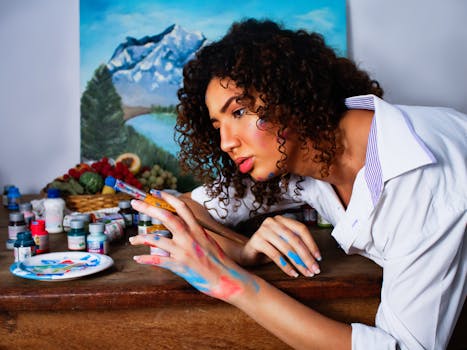
Nevertheless, opportunities abound. Educational initiatives are encouraging girls to pursue STEM fields, while mentorship programs help women and non-binary individuals advance in their careers. Social media campaigns and art projects challenge outdated stereotypes and celebrate diverse forms of femininity.
Conclusion
Exploring femininity in the 21st century reveals a rich, evolving landscape that transcends stereotypes and invites everyone—regardless of gender—to participate in its redefinition. From the boardroom to social media, from cultural traditions to cutting-edge fashion, femininity today is a reflection of individual agency, collective progress, and the ongoing push for equality and authenticity.
As society continues to evolve, embracing the full spectrum of femininity will not only enrich individual lives but also foster more inclusive, innovative, and compassionate communities.